
The work that happens before the crate is opened
A robot cell that is assembled for the first time on the customer's floor is commissioned twice — once by the supplier's engineer and once by the integrator who inherits the problems. We assemble, wire, program and test the cell in Wuhu, run it on your sample parts, write down the figures, and then take it apart for the crate. Your team puts it back together with the drawings we shipped.
The same chain runs behind a car-body welding line, at a different scale: process planning and line balancing, Process Designer and Process Simulate, Plant Simulation for material flow and JPH verification, robot offline programming, CMM and laser-tracker measurement, and pre-integration of a complete body-shop package in a 15,000 m² workshop before it is packed. The body-shop engineering chain →
Eight stages, one chain
- 01
Requirement analysis
One survey per workstation type — thirteen of them, online or as Word — plus the part drawing. We read it as engineers, not as a sales desk: reach and payload against the published envelope, zone classification against the certificate, cycle time against the process.
More → - 02
Engineering consultation
Robot selection, layout options, the process equipment that decides the result, and what to leave out. Written up as an engineered proposal your engineers can put in front of the end customer under your name.
More → - 03
Design and BOM
3D layout, electrical concept and a bill of materials with the brands named. Quoted EXW, FOB, CIF or DAP — one document, one set of terms.
- 04
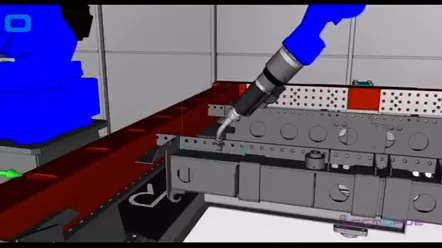
Simulation
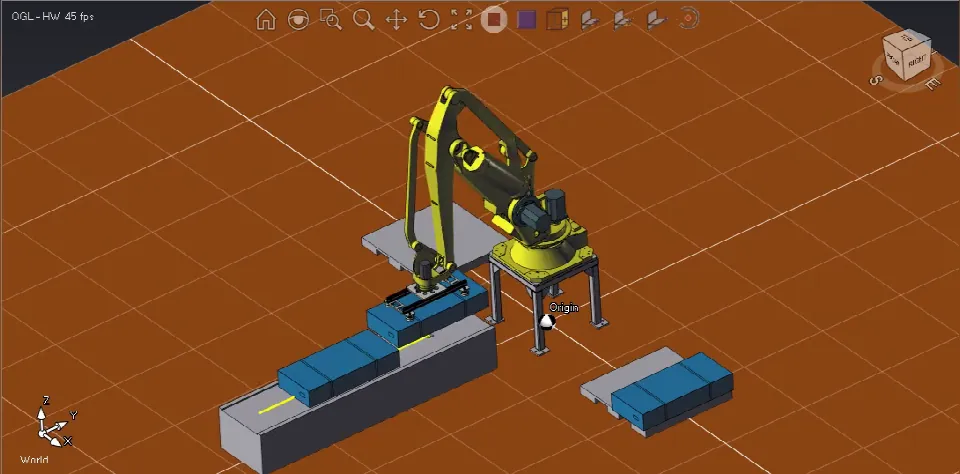
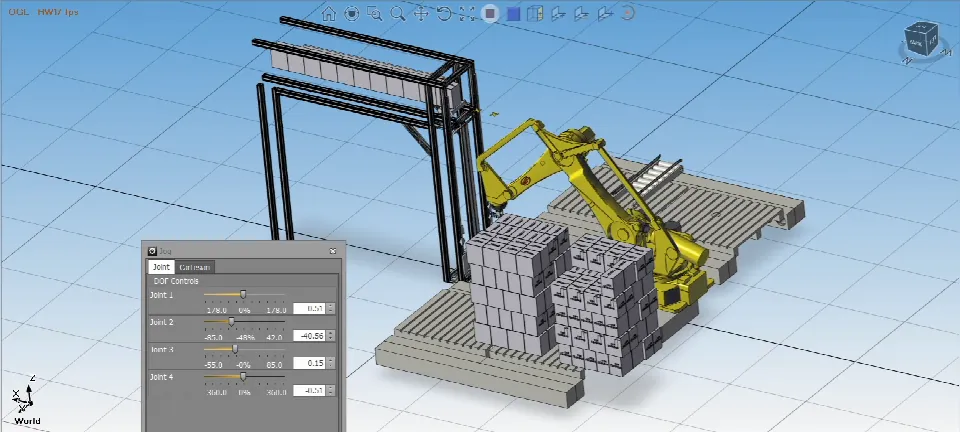
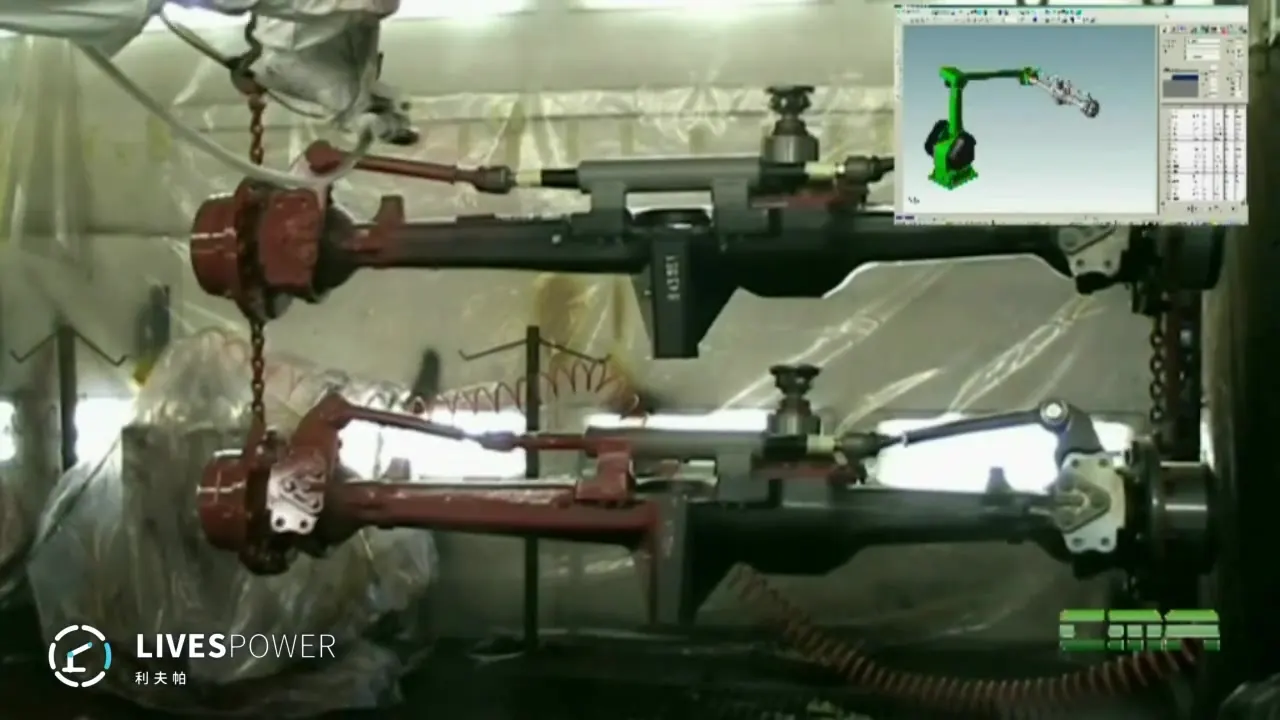
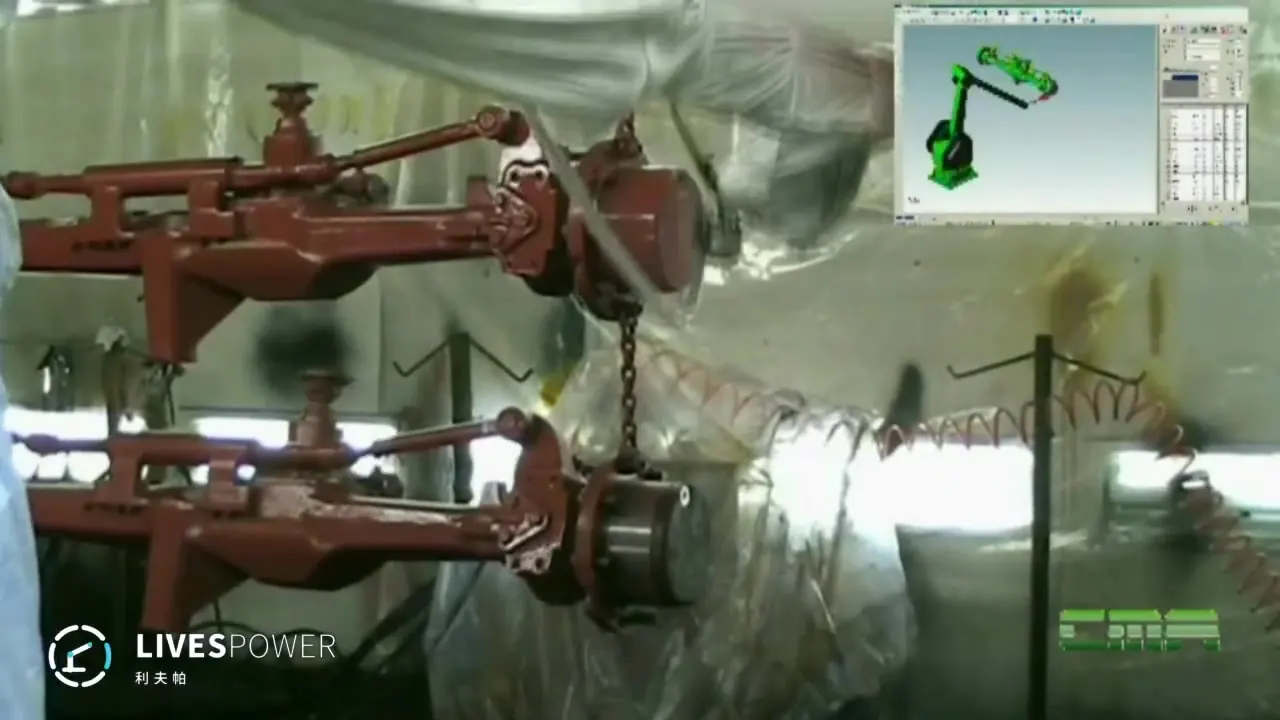
Reach, collision and cycle time verified against the 3D part model before anything is bought. You receive the simulation report and the video.
See below ↓ - 05
Manufacturing
Robot, cabinet, fixture, track, positioner, guarding, process equipment. Progress photos at each stage; a standard robot with cabinet typically leaves in 4–6 weeks.
See below ↓ - 06
Pre-integration
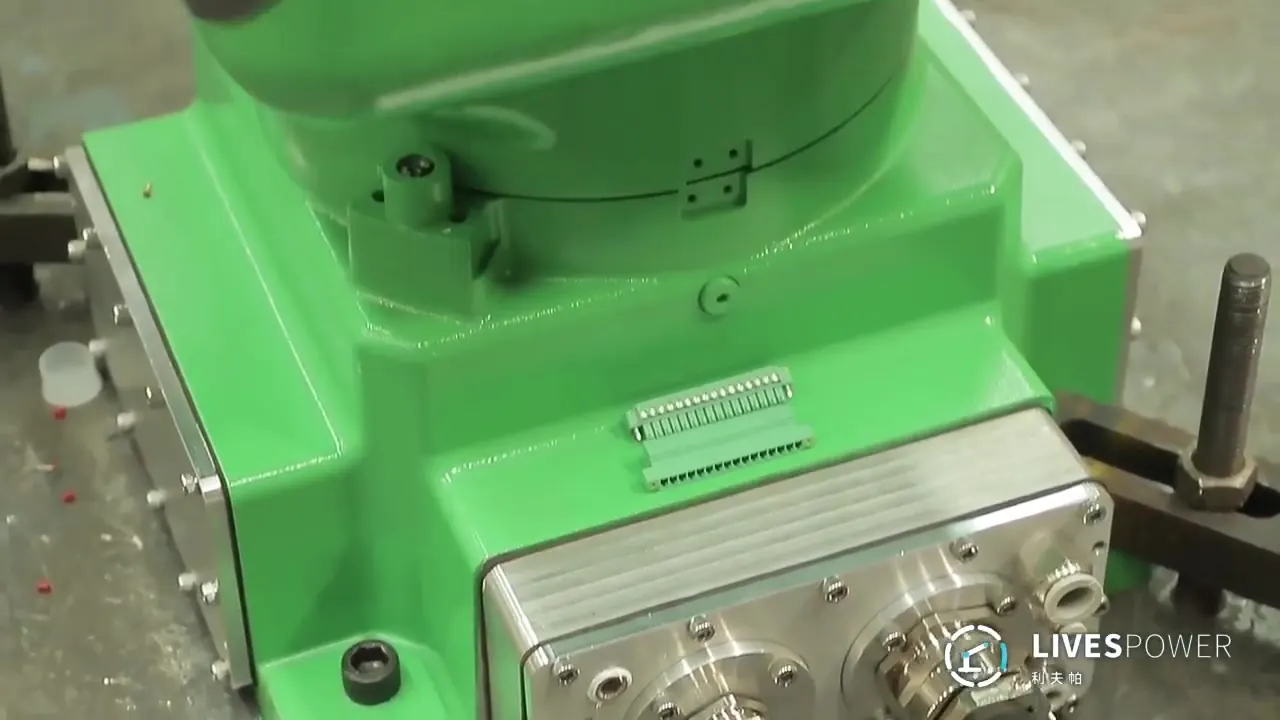
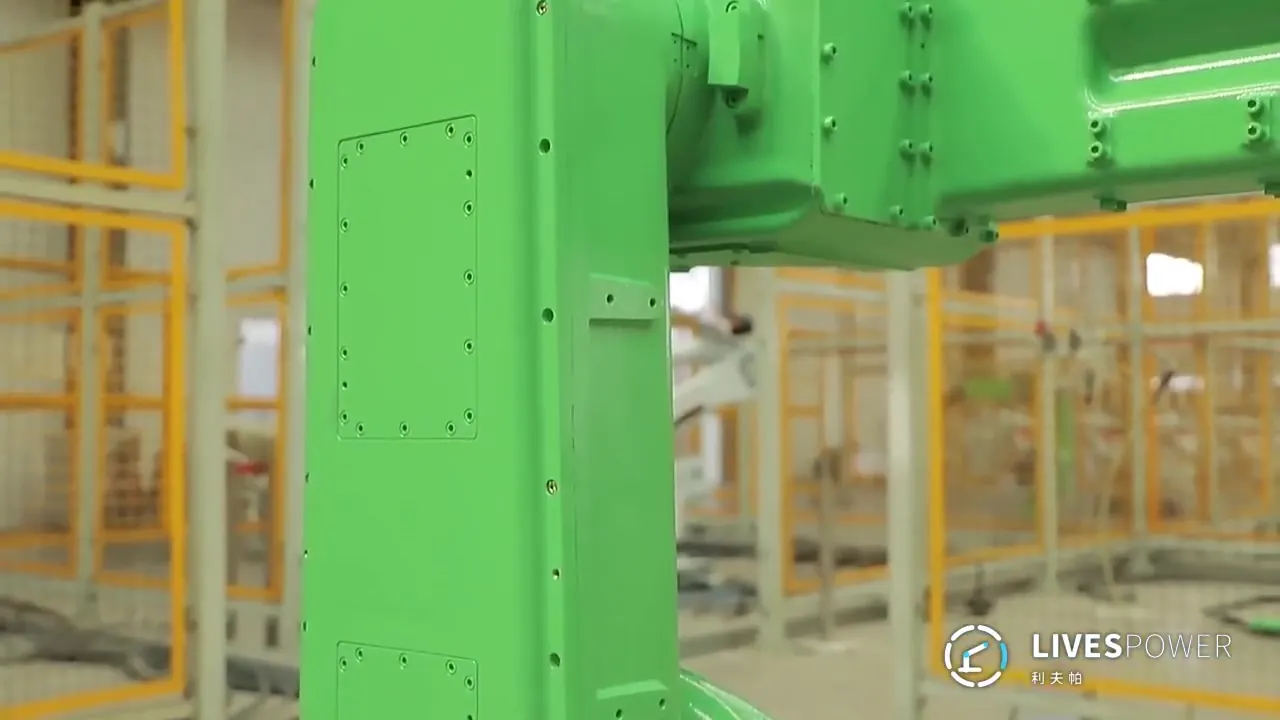
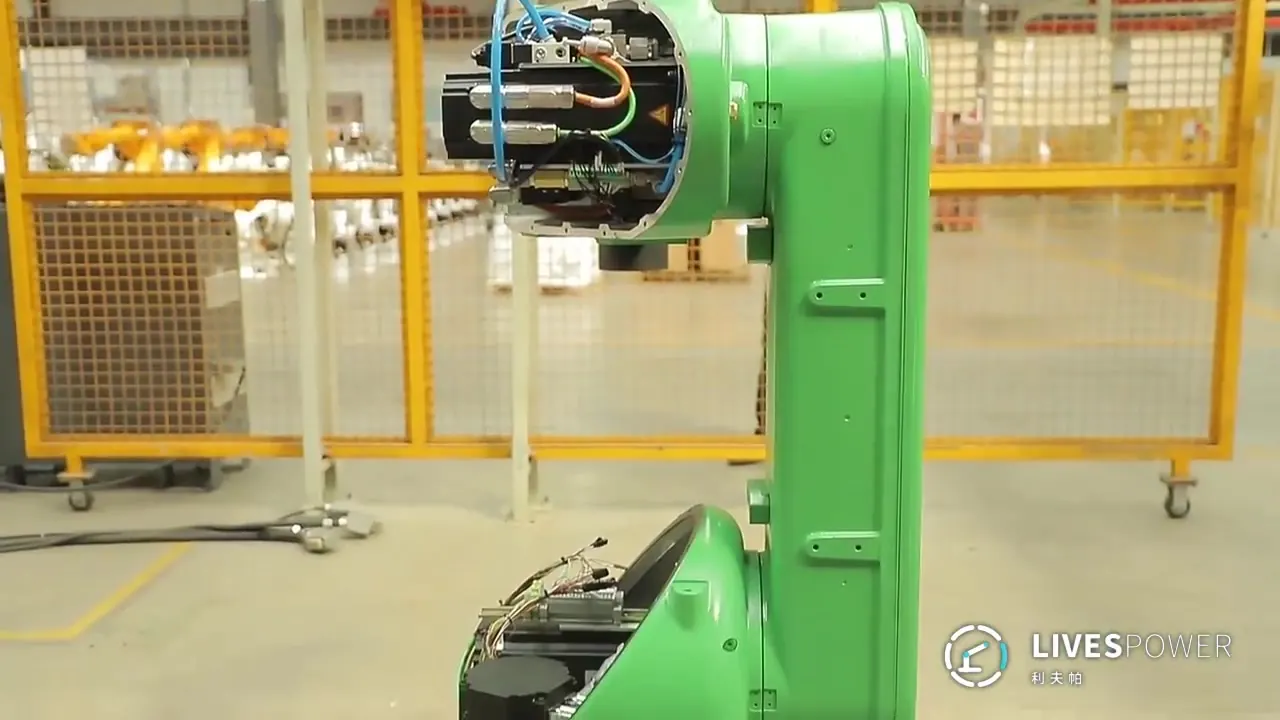
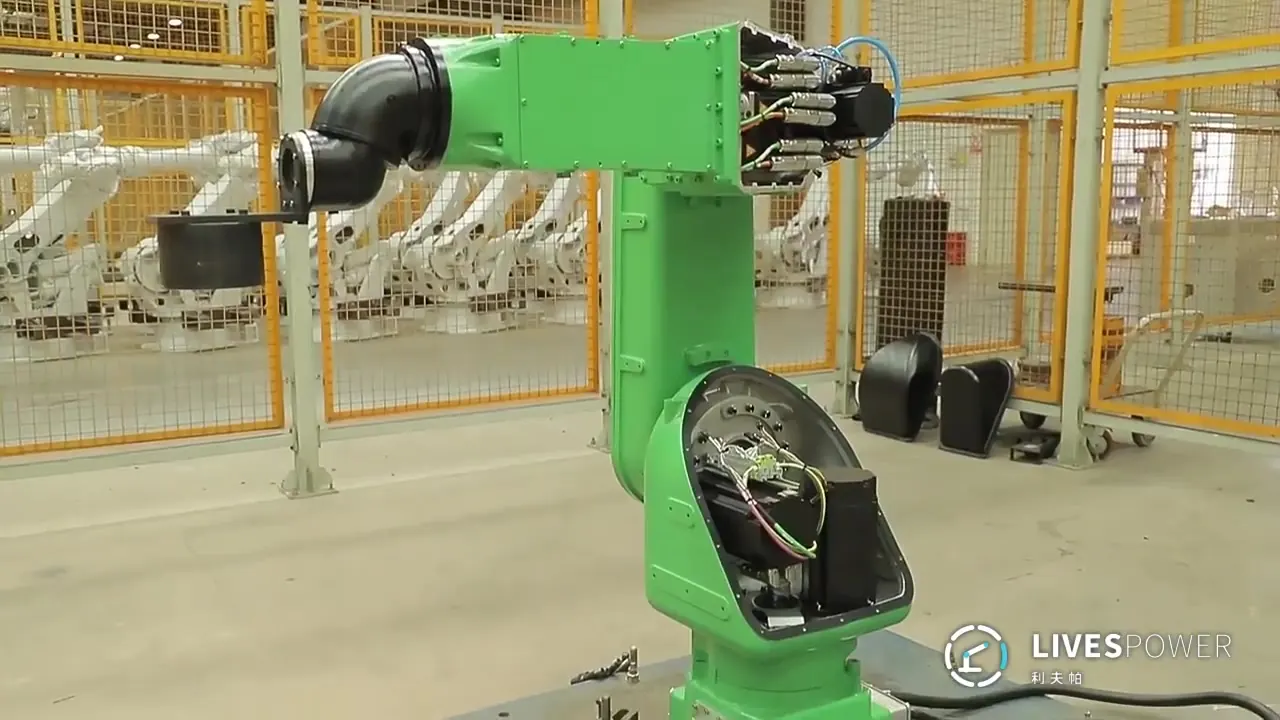
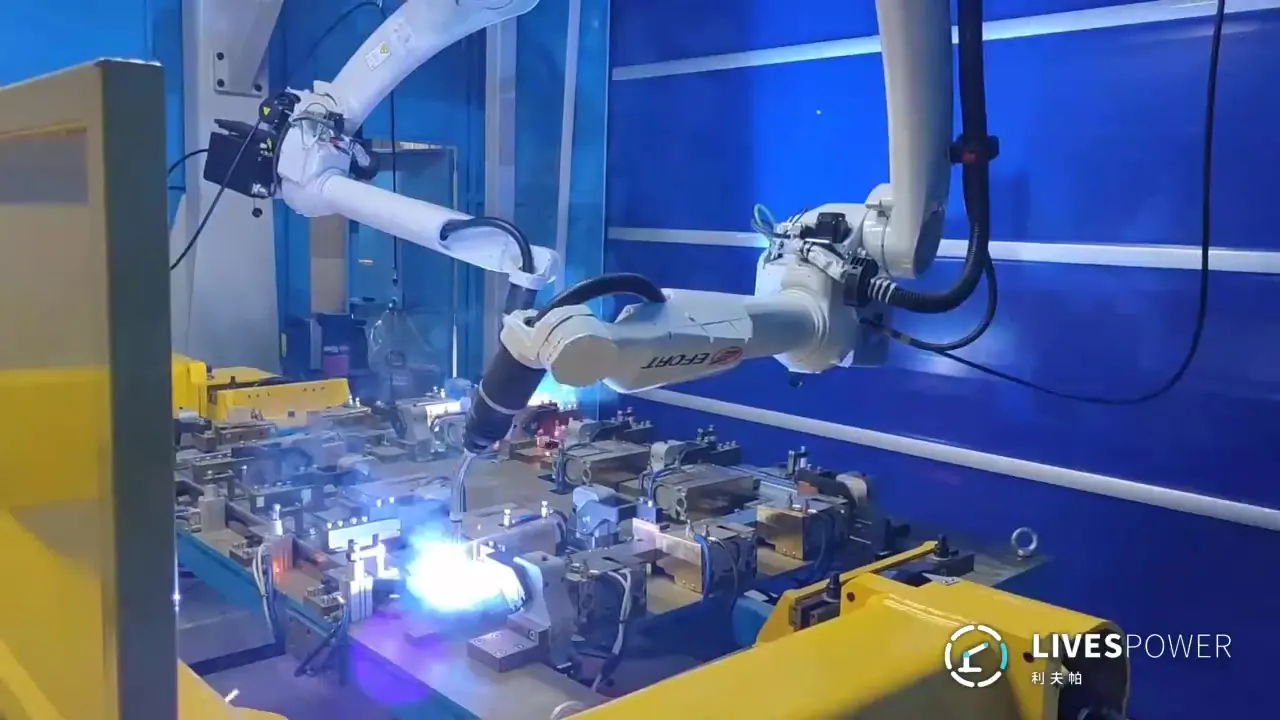
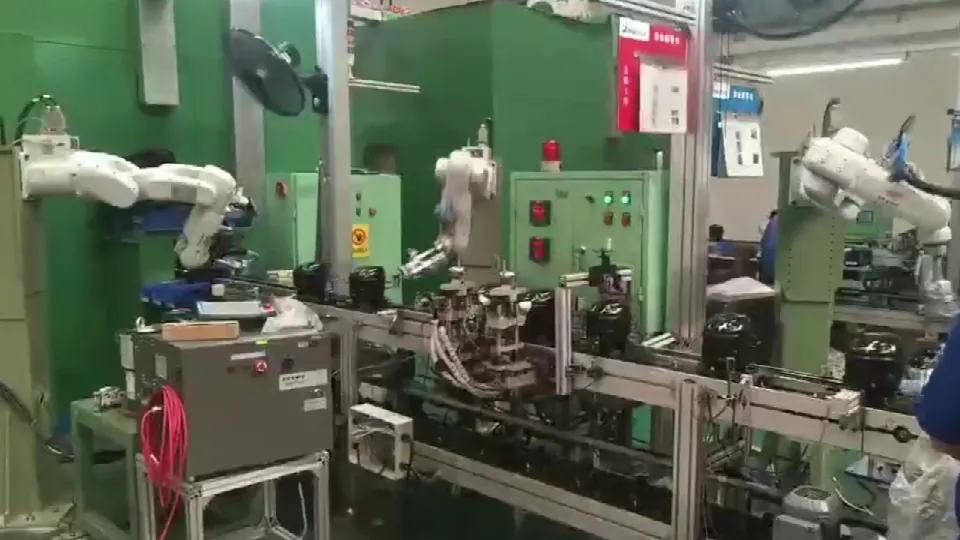
The whole cell assembled, wired and piped in our workshop in Wuhu — not on your customer's floor.
See below ↓ - 07
Pre-commissioning and FAT
Programs run on your sample parts, safety circuit proven, process equipment run wet, figures measured and written into the factory acceptance test report. Witnessed on a video call or in person.
See below ↓ - 08
Export shipment
Disassembly marked for reassembly, export crating, ISPM 15 heat-treated timber, documents for your route. The crate is opened by your team with the technical package in hand.
More →
Simulation before purchase
Every cell with a fixture, a track or a positioner is simulated against the 3D part model before the bill of materials is released. The simulation answers three questions that cost the most to answer later: does the arm reach every point at the required orientation, does anything collide when it does, and what is the cycle time. The report and the video go to you; if the cycle time is not what the end customer needs, the layout changes on the screen, not in steel.
Manufacturing and quality control
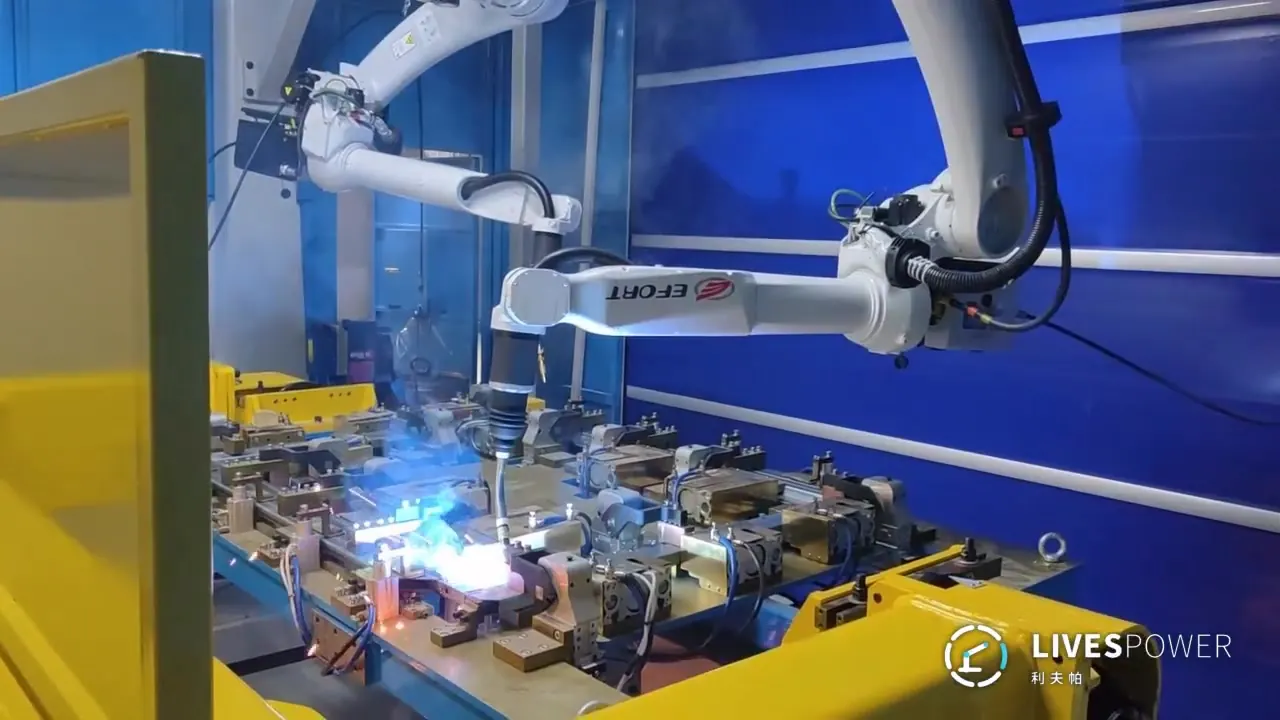
Robots come from the manufacturers named on the manufacturers page — CMA and Zhihui for painting, EFORT for standard six-axis, welding and palletizing, Moka for the MR/MB industrial range. Tracks, positioners, fixtures, guarding and cabinets are built to our drawings by workshops we have used for years; their names are not published, their work is inspected at incoming, in process and at final. Explosion-protected arms carry the certificates listed on the certification register, with numbers and validity you can check.
Pre-integration: the difference in one table
| Pre-integrated in Wuhu | Parts shipped, assembled on site | |
|---|---|---|
| Where the cell is first assembled | Our workshop, before shipment | Your customer's floor, after shipment |
| Who finds the interface problems | Our engineers, with the parts on the bench | Your commissioning team, with the line stopped |
| Cycle time | Measured on sample parts and written into the FAT report | Discovered during commissioning |
| Site days for a standard cell | Days: mechanical connection, power, final touch-up | Weeks: assembly, wiring, programming from scratch |
| Engineers flown in | Not by default — screen-share support with the engineer who built the cell | Usually, at day rates plus travel |
| What arrives in the crate | A tested cell with drawings, programs and I/O list | Boxes of parts and a hope |
Factory acceptance test
The FAT is run to a written sequence that ships with the cell as the commissioning manual, so your team repeats exactly what we did. For a painting cell: arm, cabinet and pendant powered and homed; every axis exercised; paint supply run wet with test fluid; colour change cycled; conveyor tracking simulated with encoder input; safety circuit and explosion-protection barriers proven. For a welding cell: weld program run on your sample parts, macro sections photographed, positioner synchronisation and seam tracking checked against a deliberately offset part, cycle time measured, fixture repeatability checked on ten parts. You witness it on a video call, or you send an engineer. The report is part of the technical package.
What ships with every cell
- Electrical drawings, as built
- PLC and robot program backups
- 3D model of the cell and 2D layout
- I/O list and interface description
- Bill of materials with part numbers
- Commissioning manual with the FAT sequence
- FAT report with measured figures, photos and video
- Spare-parts list with first-year recommendation
- Training videos for operators and maintenance
- Packing list crate by crate, ISPM 15 marking, shipping documents
After delivery
Remote support is by the engineer who built the cell — WhatsApp, Telegram or a screen-share into the pendant, in your working hours. Programs and drawings are yours, so any competent integrator can maintain the cell without us. An engineer on site is arranged by agreement where a project needs it; it is not the default, because most of the work was done before the crate was closed.
Send a requirement survey See delivered projects Watch FAT videos