
Intelligent welding station
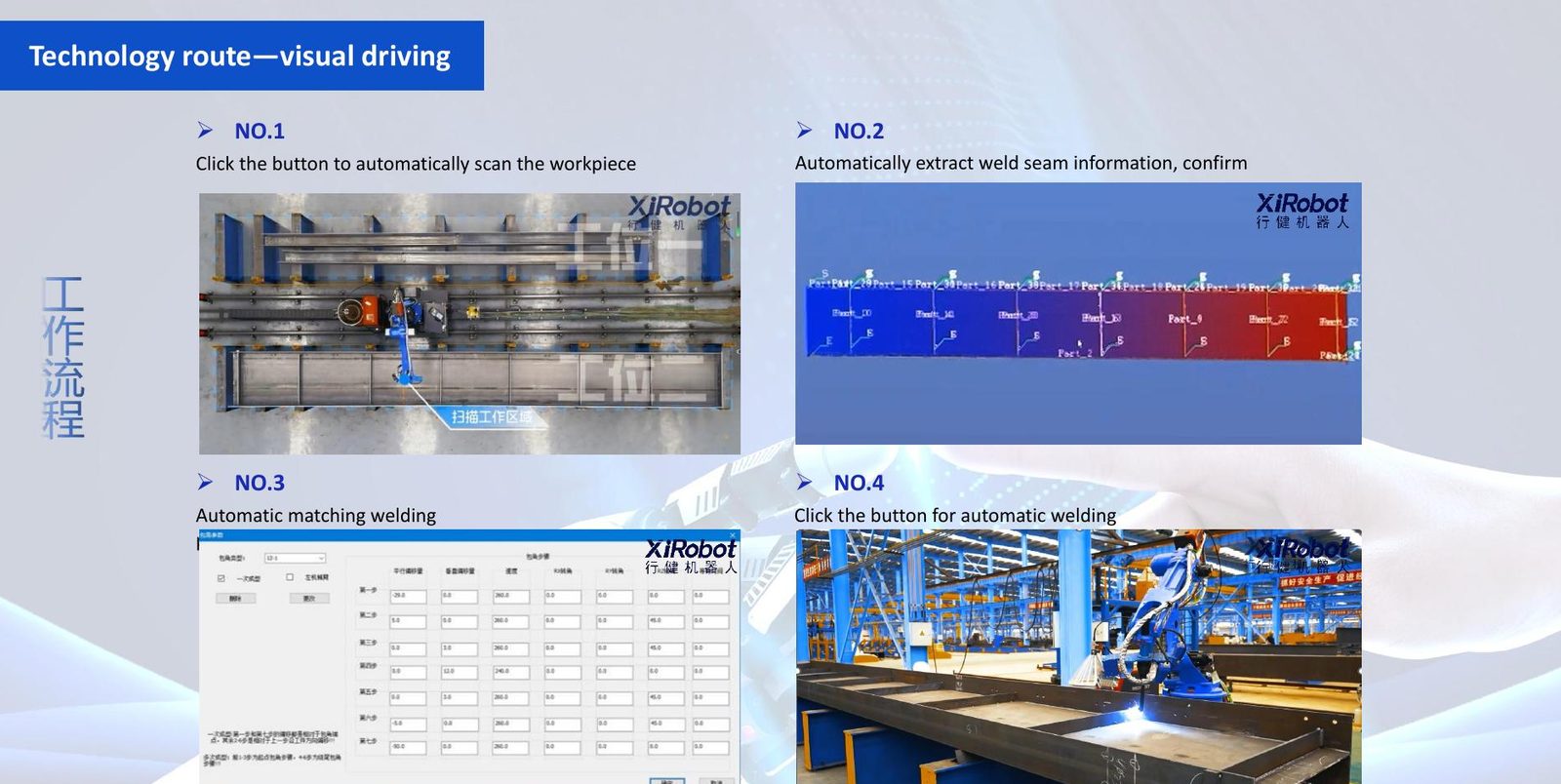
A welding cell that programs itself: it scans the part, finds the seams, picks the process and welds — no teaching, no offline programmer on your payroll.
Where it is used
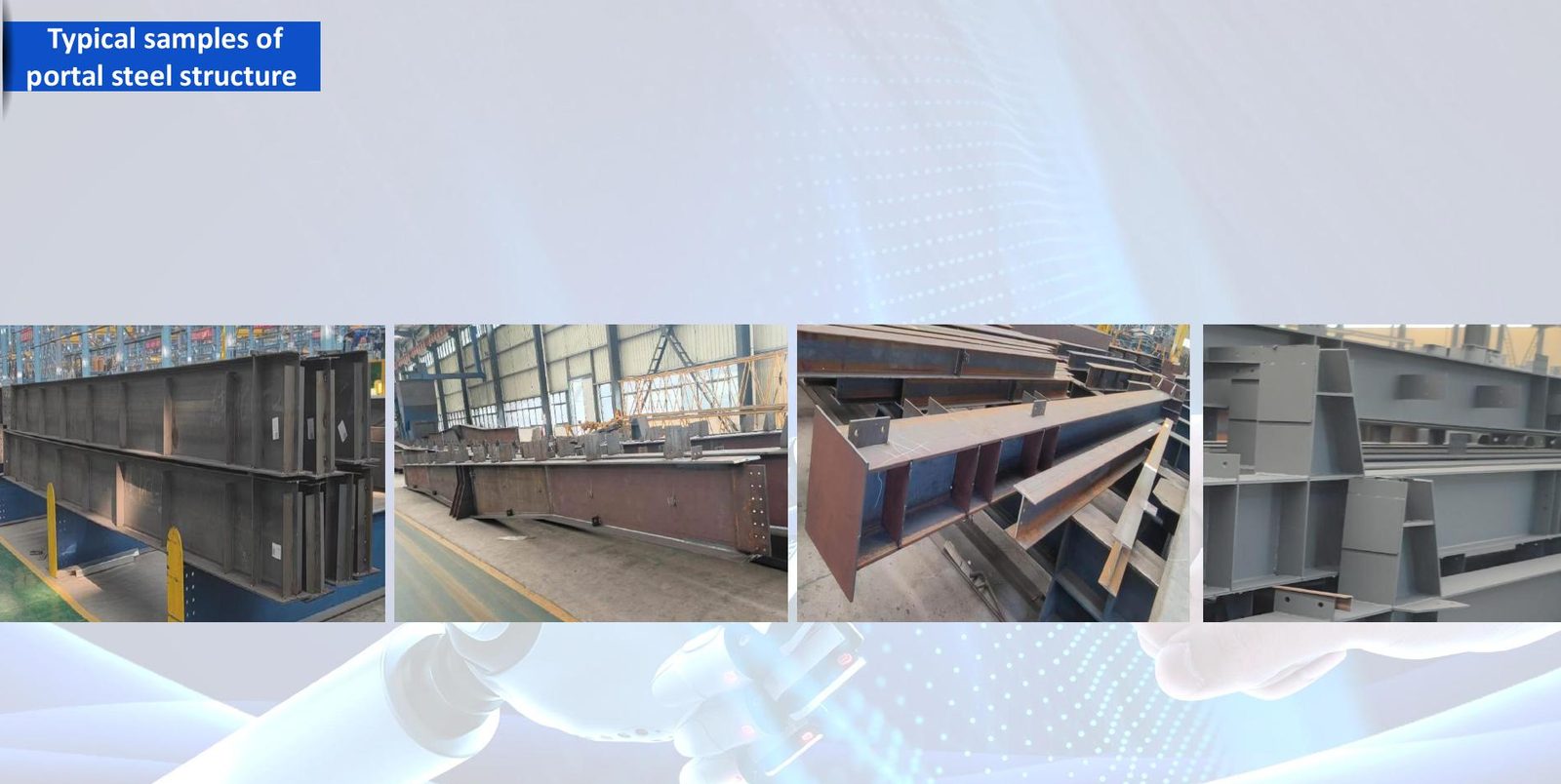
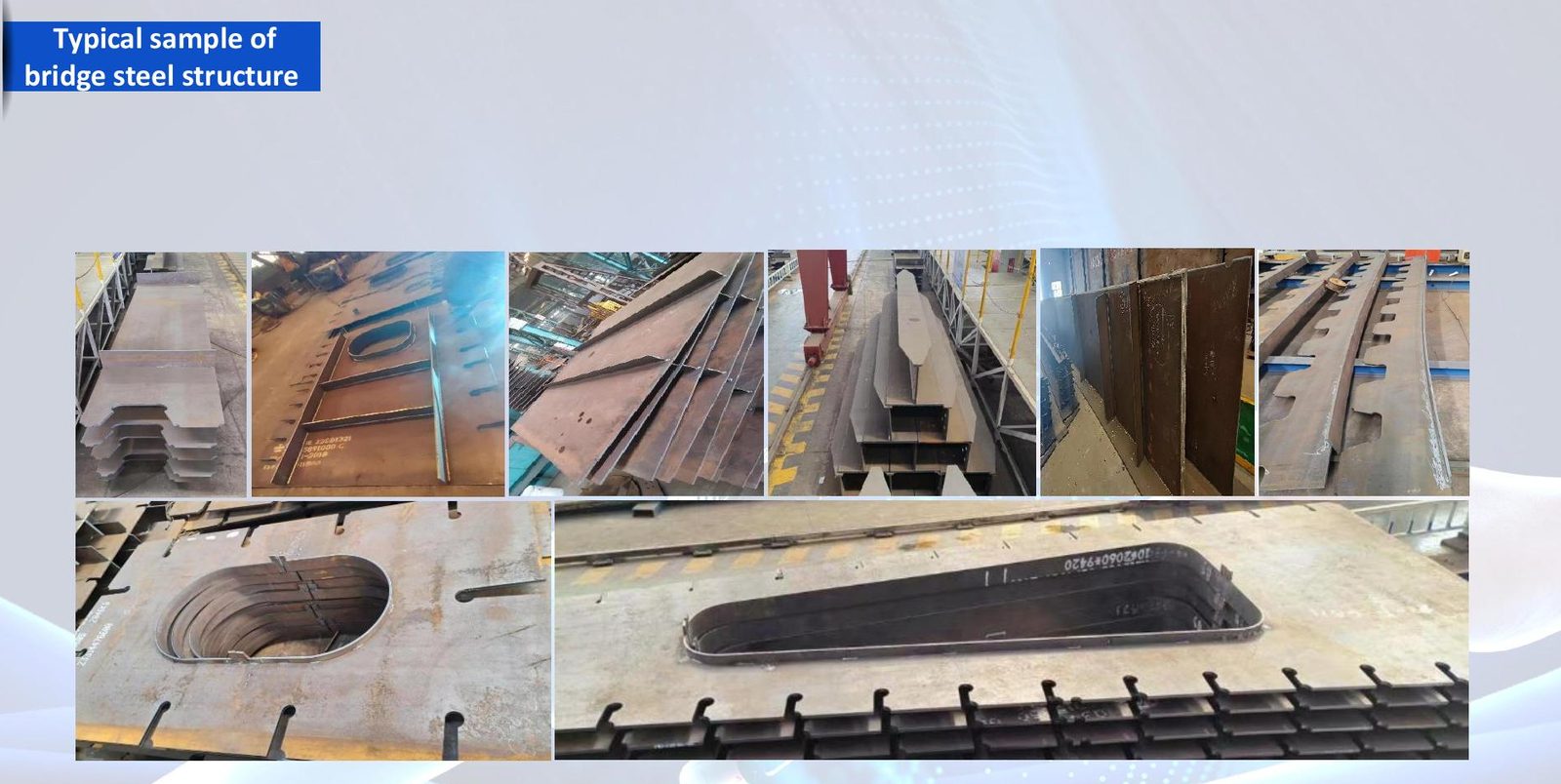
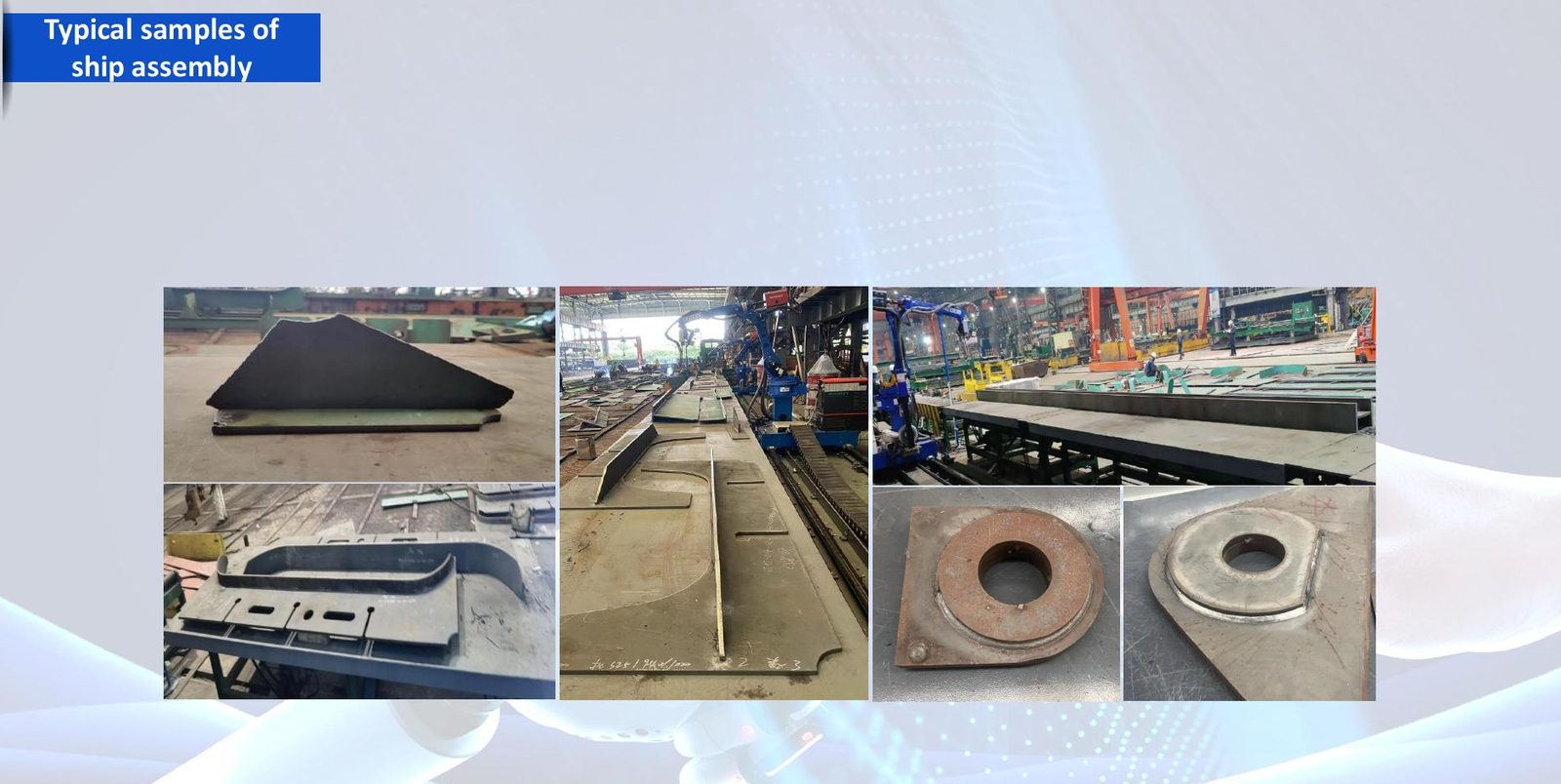
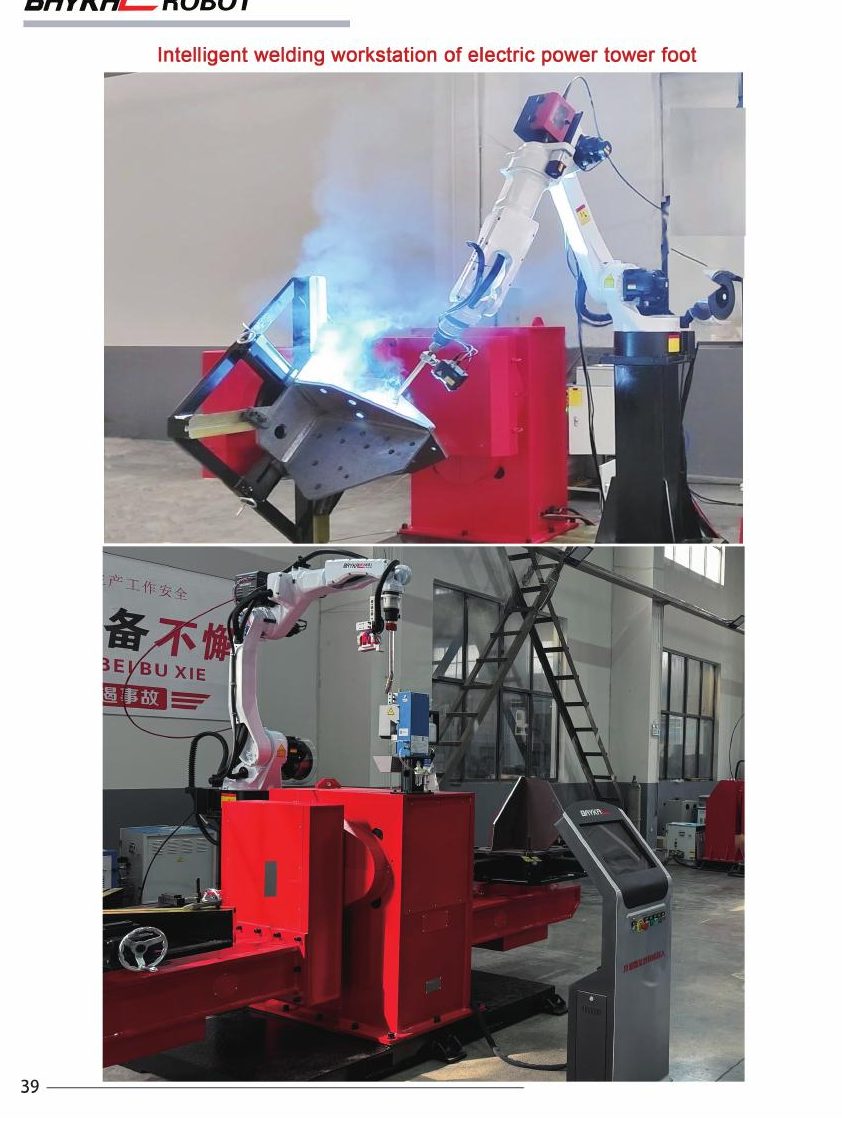
Structural steel, bridge sections, portal frames, crane and machine frames, shipyard sub-assemblies, tower feet and heavy plate weldments — small batches, many variants, parts that never repeat.
Two systems, two engineering routes
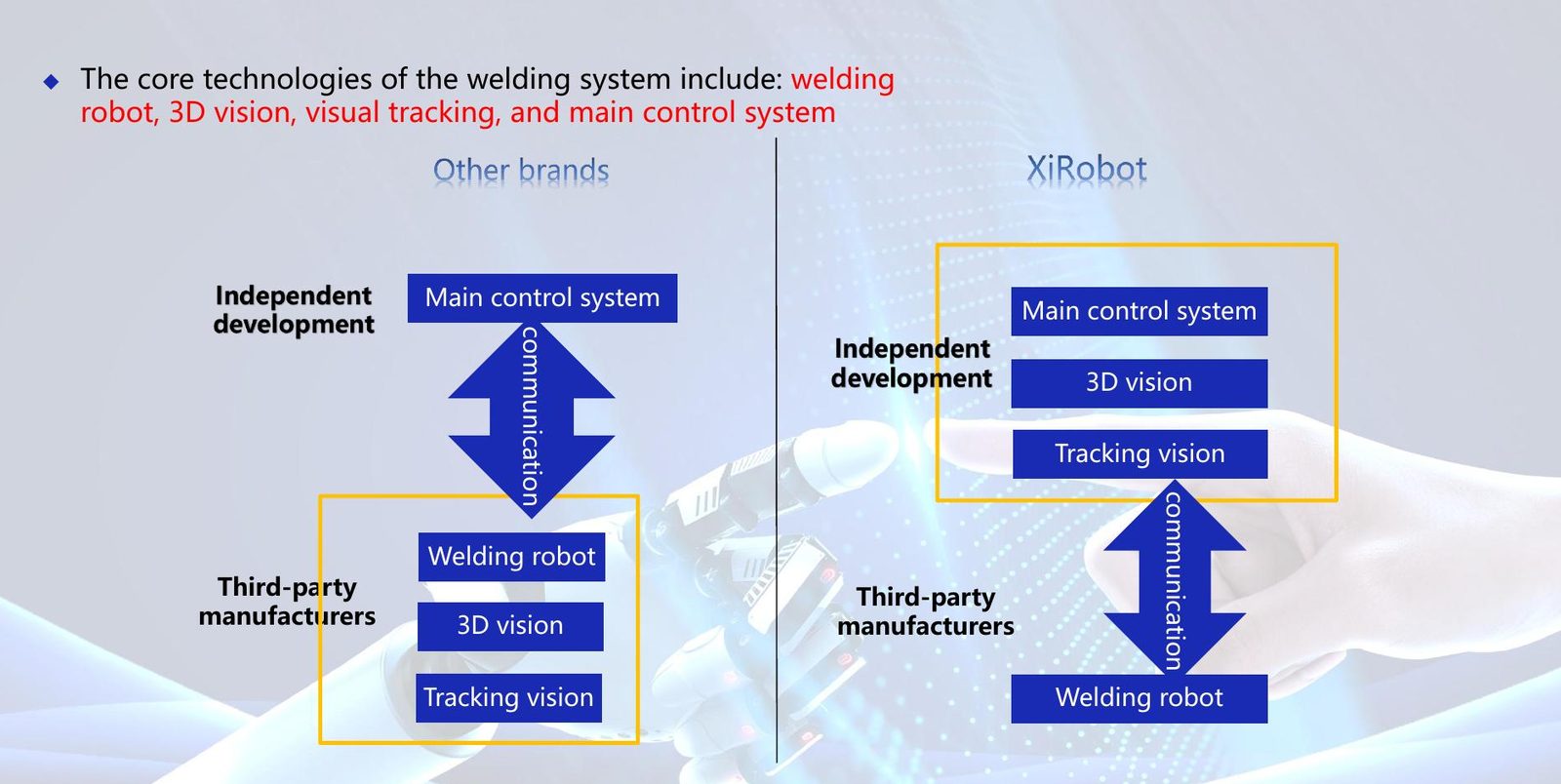
System S — scan-led
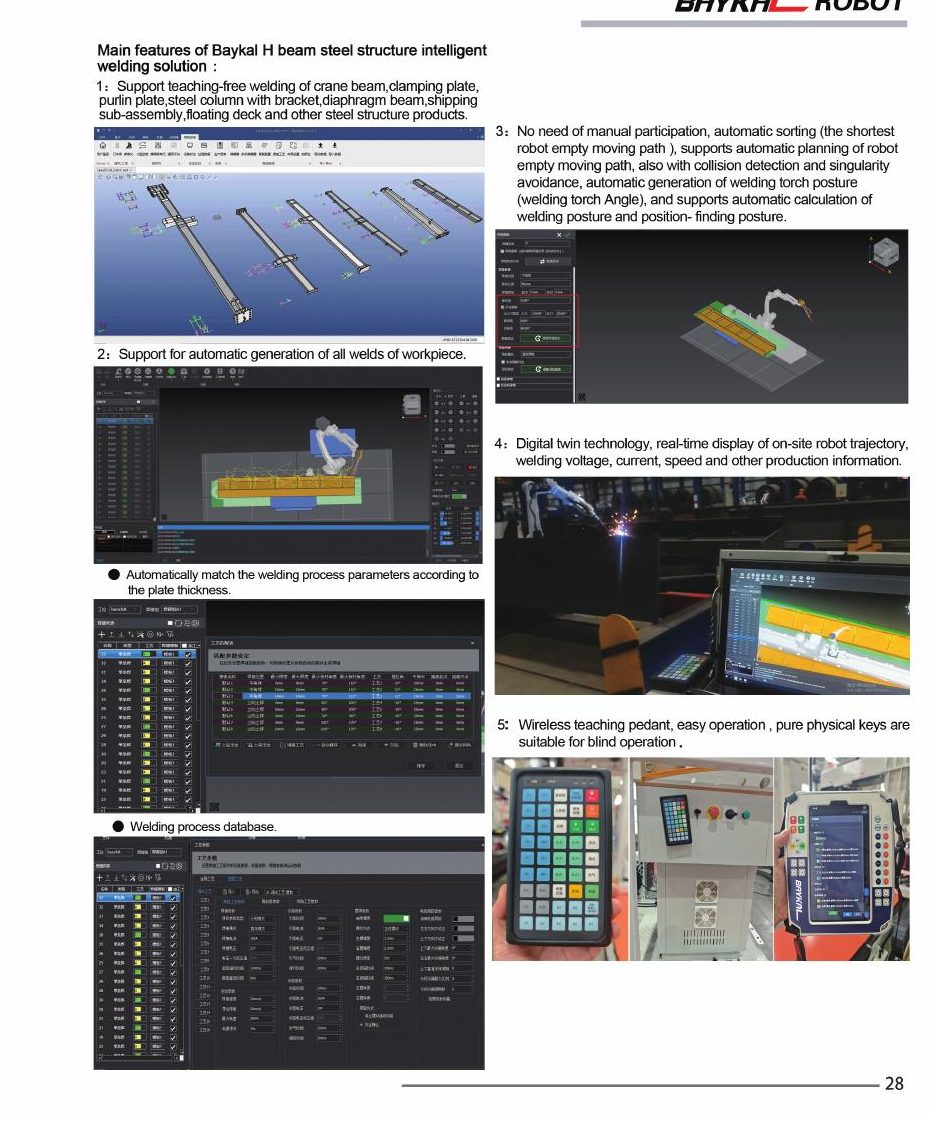
The eyes and the brain are developed in house; the arm is bought in. The main control system, the 3D scanning and the tracking vision belong to the system builder, so the station finds the part and the seams without a model and tolerates parts that are put on the table roughly rather than precisely. Choose this where drawings exist but models do not, and where what arrives on the table is never quite what was planned.
System M — integrated machine
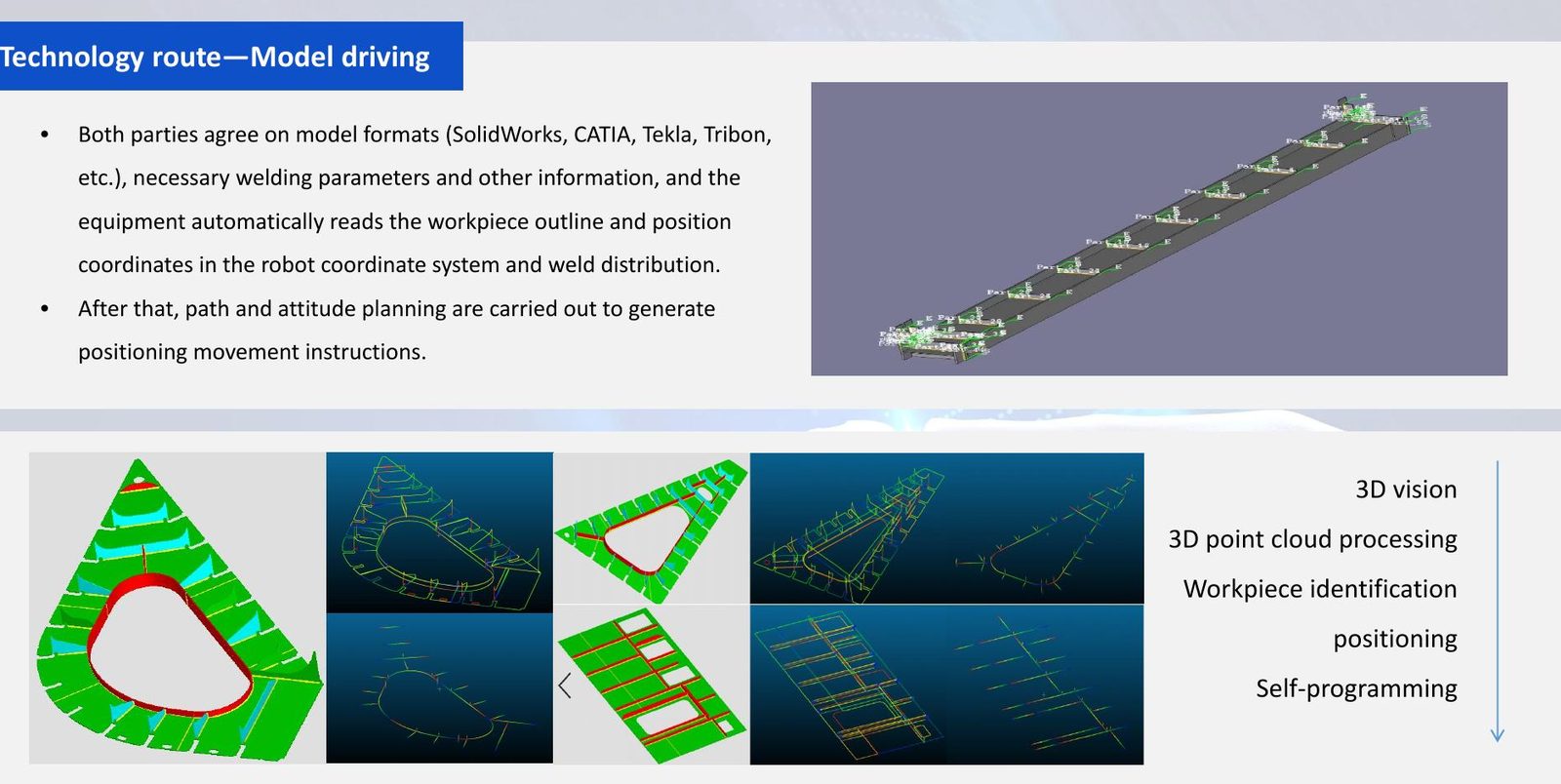
The arm, the controller and the software are one product from one manufacturer. The controller runs a real-time operating system on an EtherCAT fieldbus with a 1 ms planning cycle and interpolates up to fourteen axes, so a robot on a cantilever with a positioner turning the part underneath behaves as a single machine rather than three. Offline programming reads your 3D model and generates every weld, and a reverse-modelling option builds the model from a scan where none exists. Choose this where one supplier has to carry the whole station and spares have to come from one place.
Which one suits you is decided by your parts, not by the brochure. Send five representative weldments and we come back with a station format, an effective-travel figure and a cycle-time basis.
Typical configuration
- Six-axis welding arm, 1.4–2.0 m reach
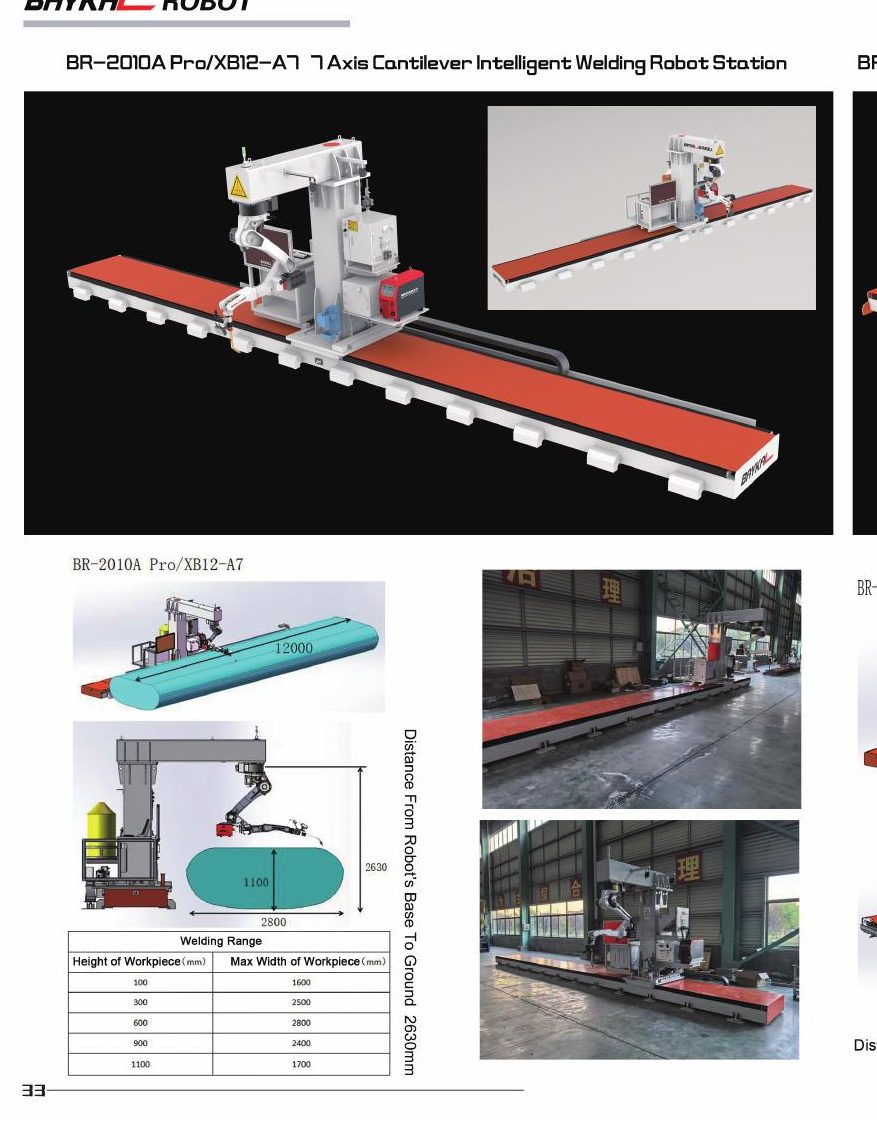
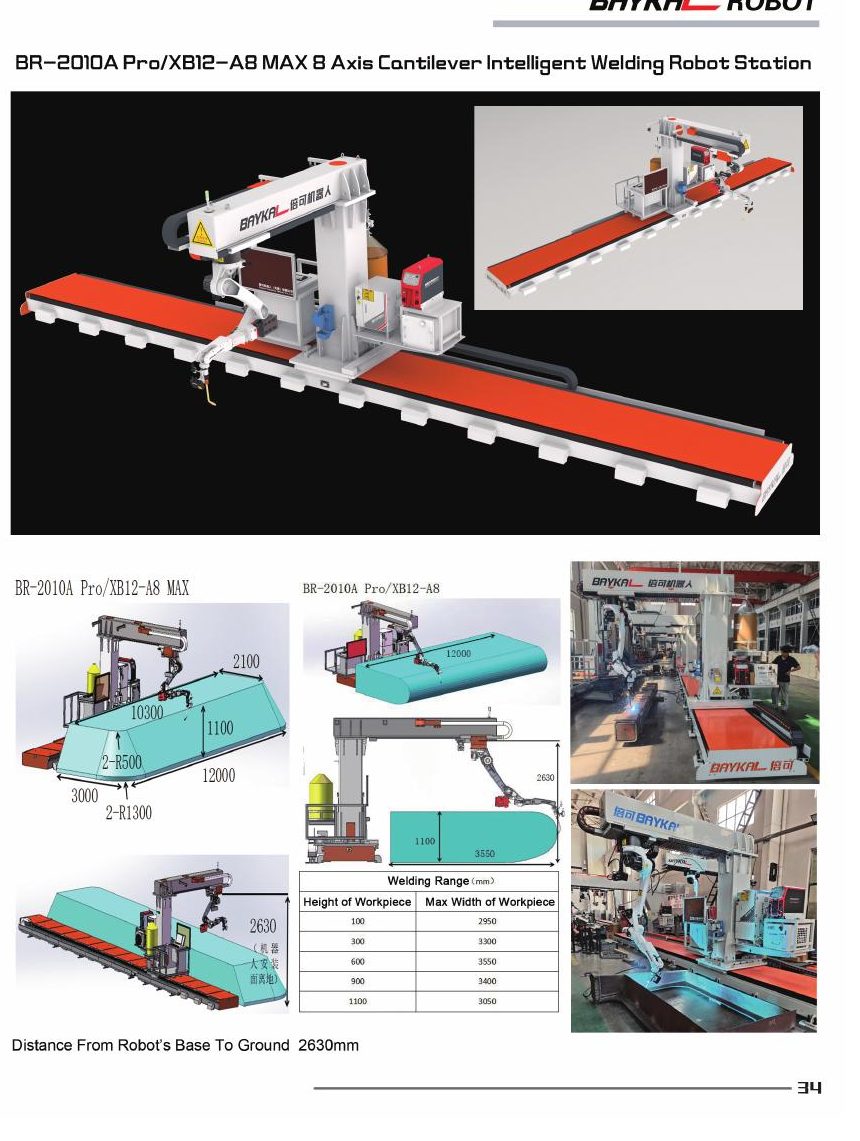
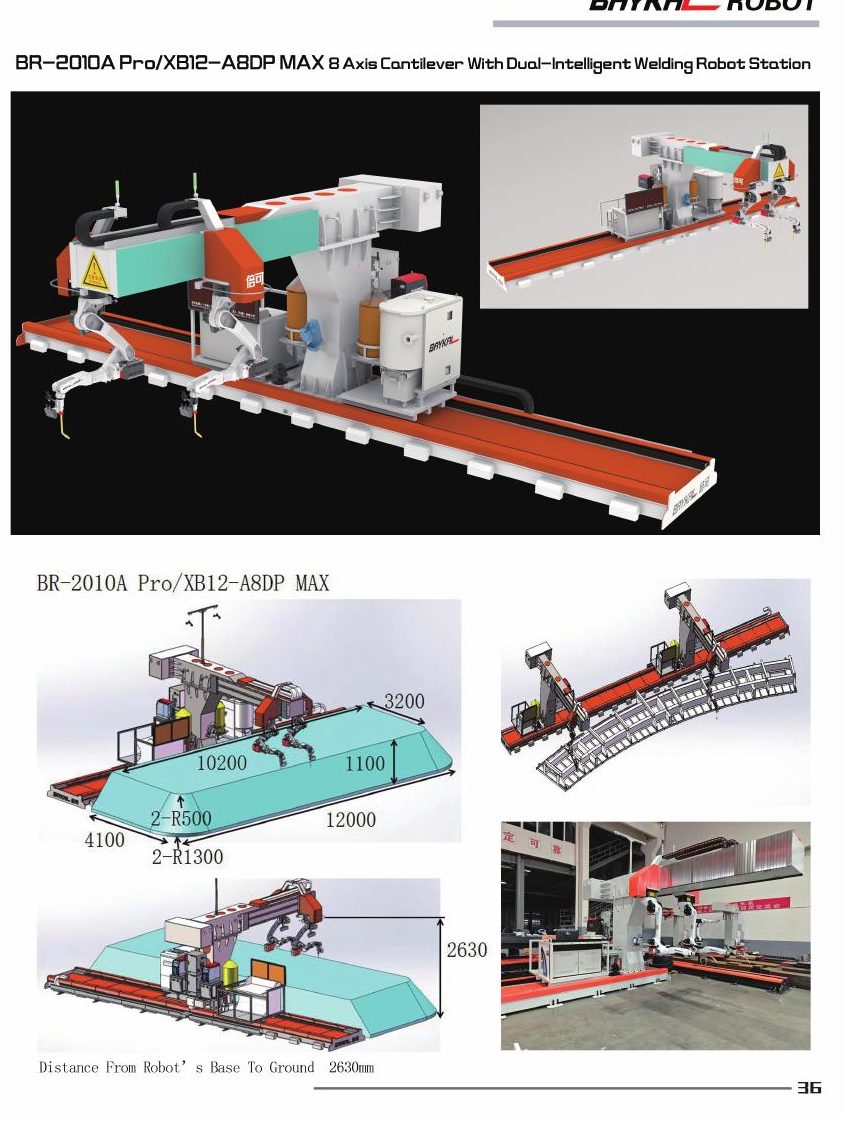
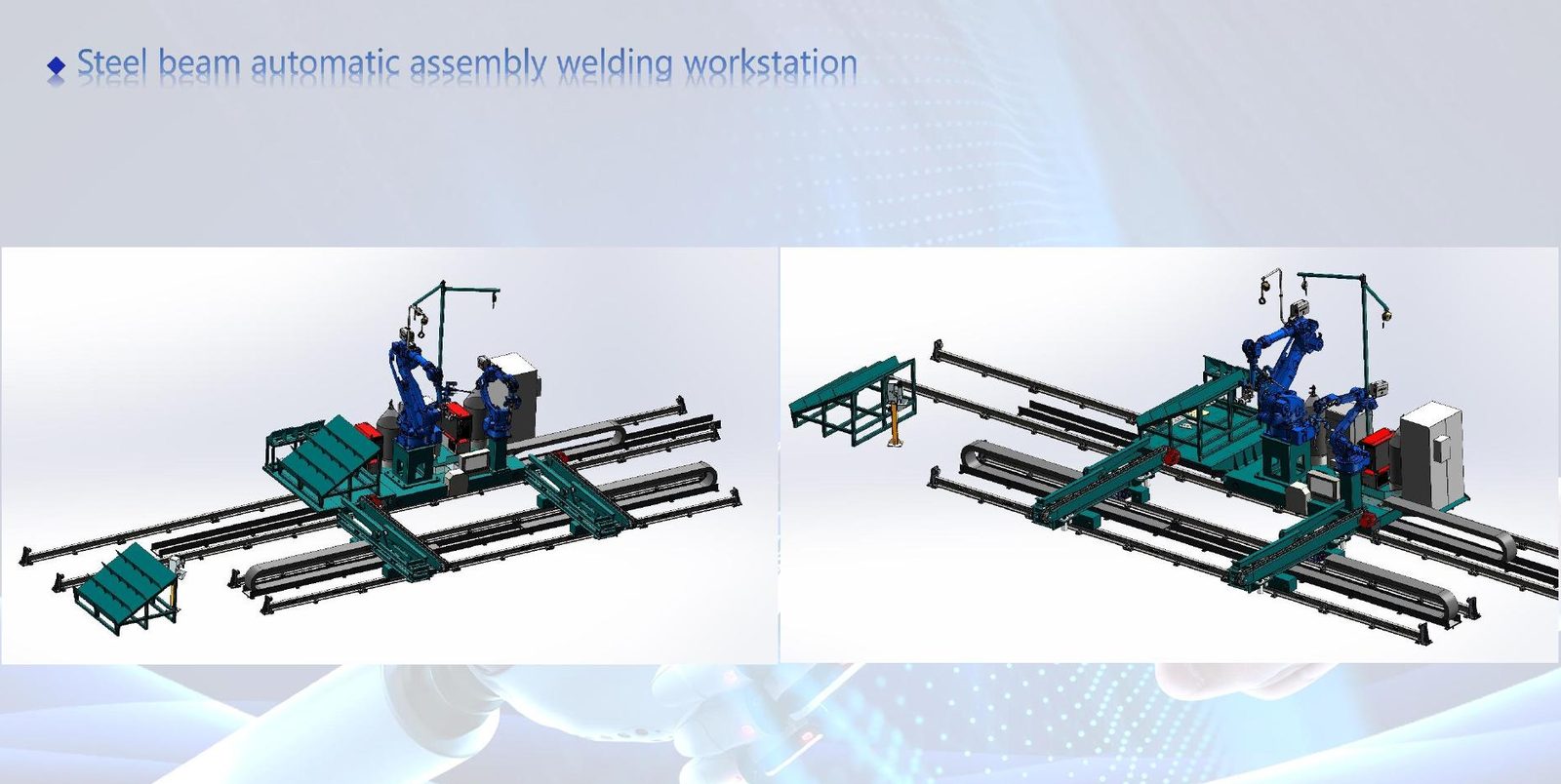
- Seventh, eighth and ninth axes: ground rail, cantilever or gantry
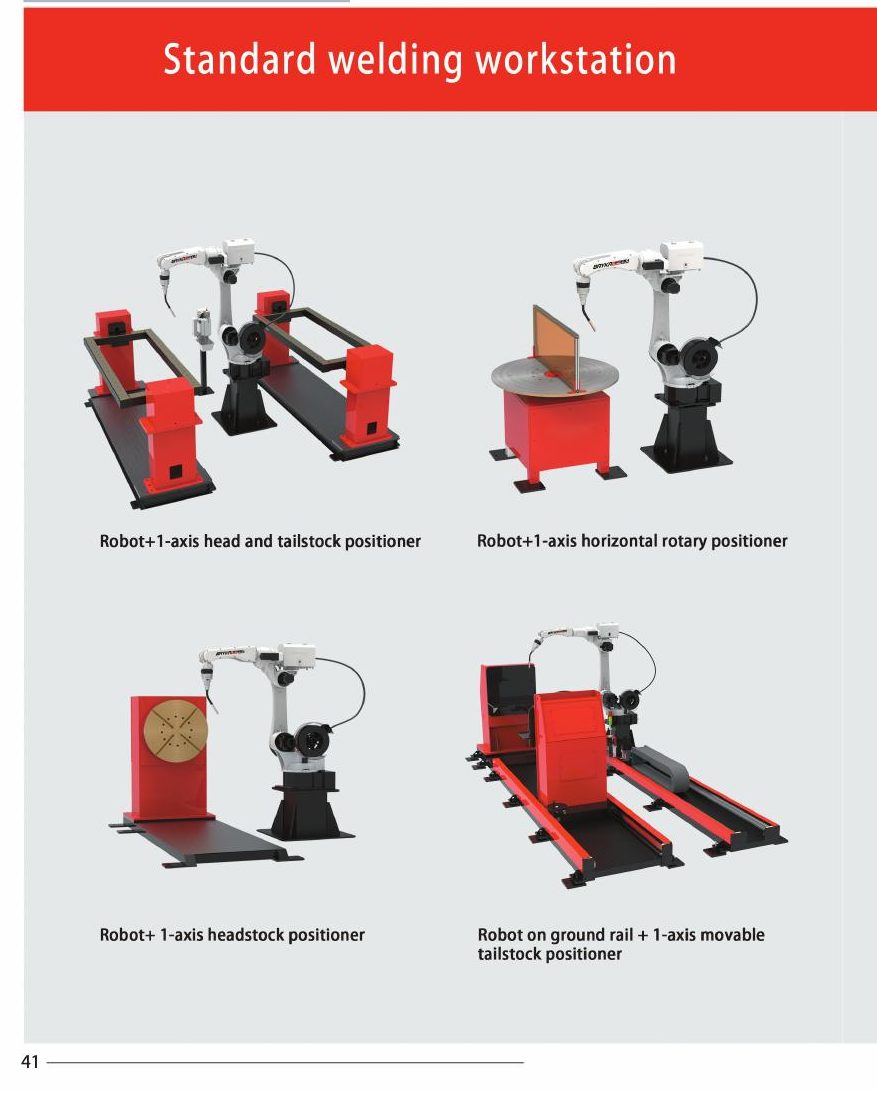
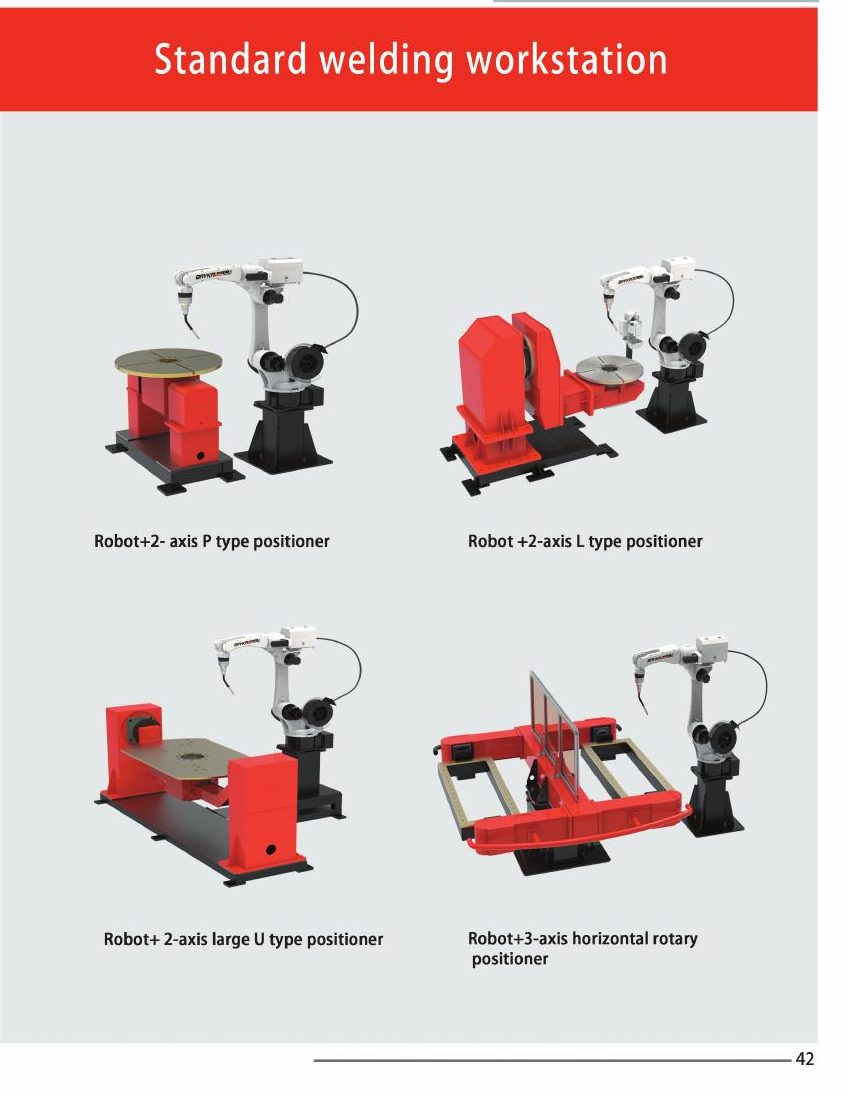
- Positioner driven as an external axis of the same controller
- Panoramic or 3D scanner for part and seam finding
- Laser seam tracker following the seam during the weld
- Inverter MIG/MAG source: 350 A class to about 3 mm, 500 A water-cooled above 8 mm
- Water-cooled torch, anti-collision mount, torch cleaning and wire cutting station
- Cell controller with process database, production plan and weld record; MES interface on request
- Fence, interlocked doors, light curtains, welding screens and fume extraction sized to the layout
- Fixturing only where a part must be held to tolerance — quoted as its own line
The station, in pictures
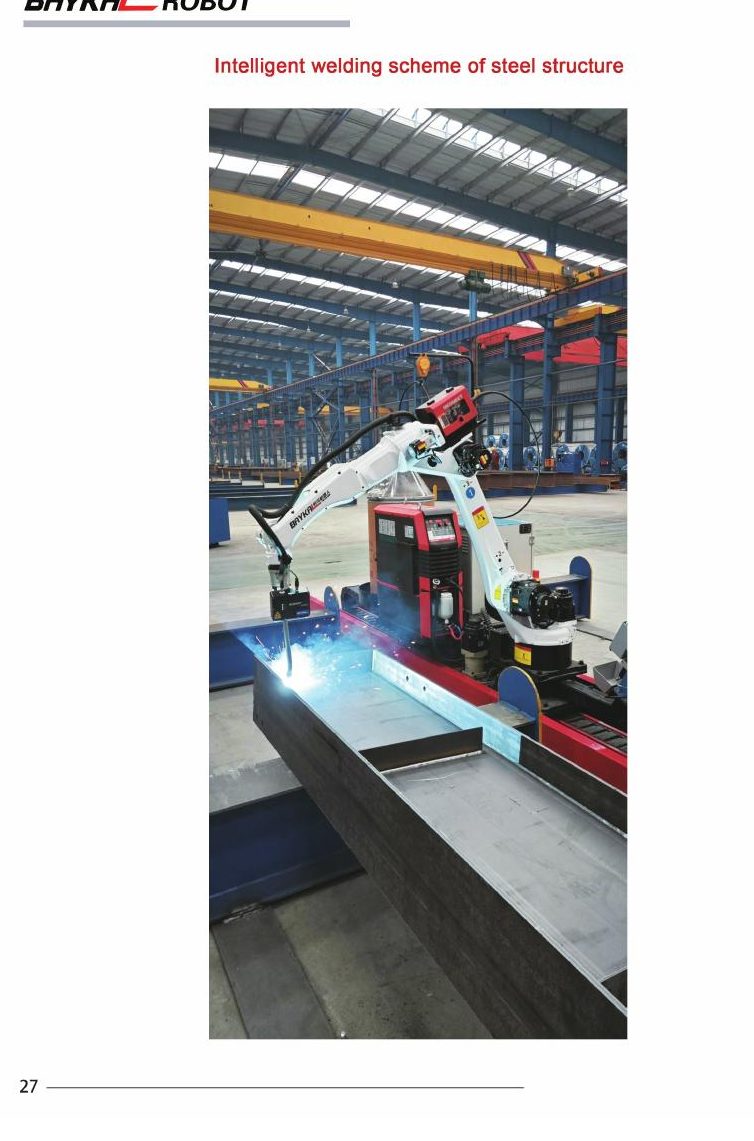
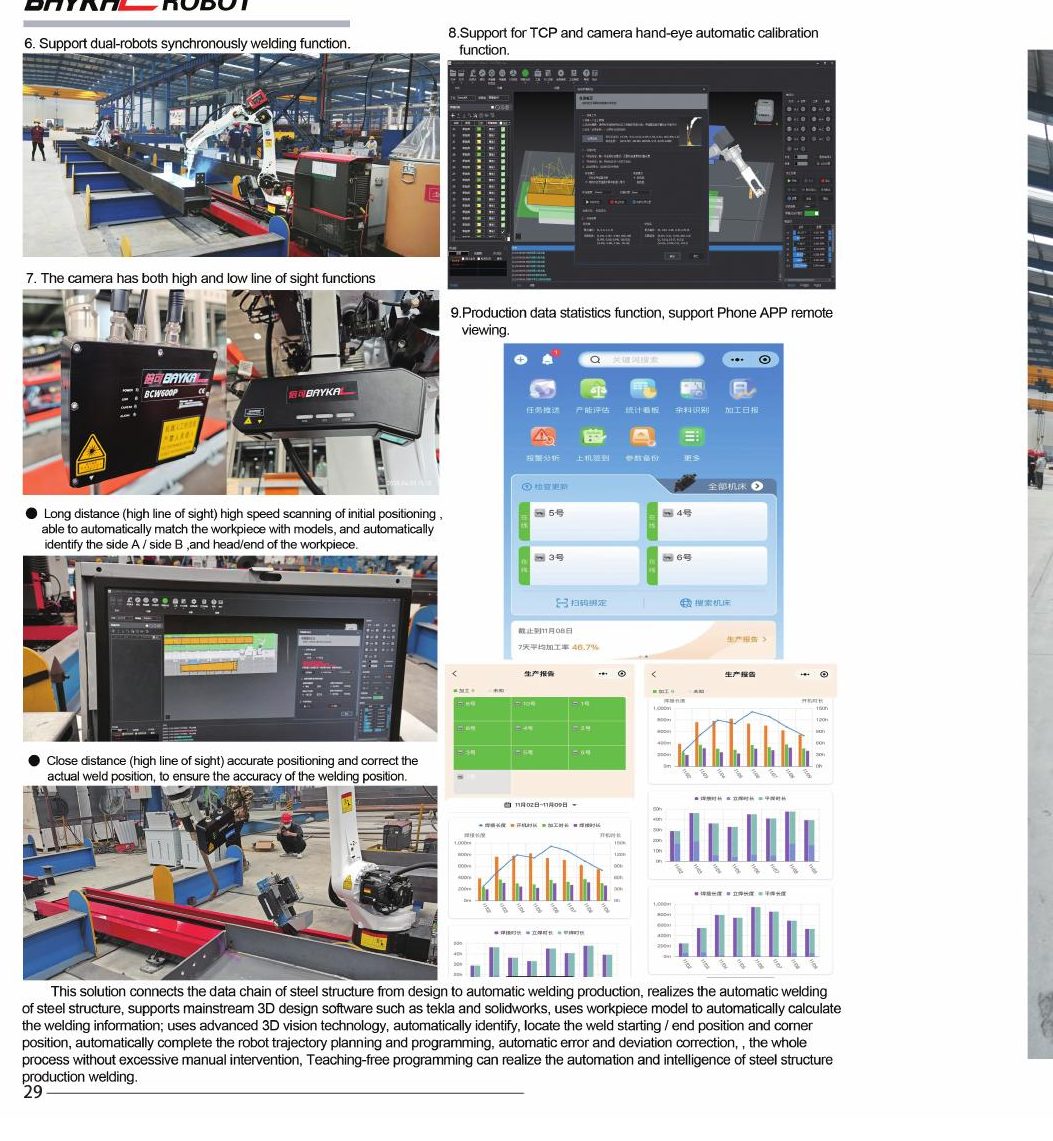
Pre-integration and factory acceptance test
The cell is assembled, wired and run in our workshop in Wuhu before it is crated. For this workstation type the FAT covers:
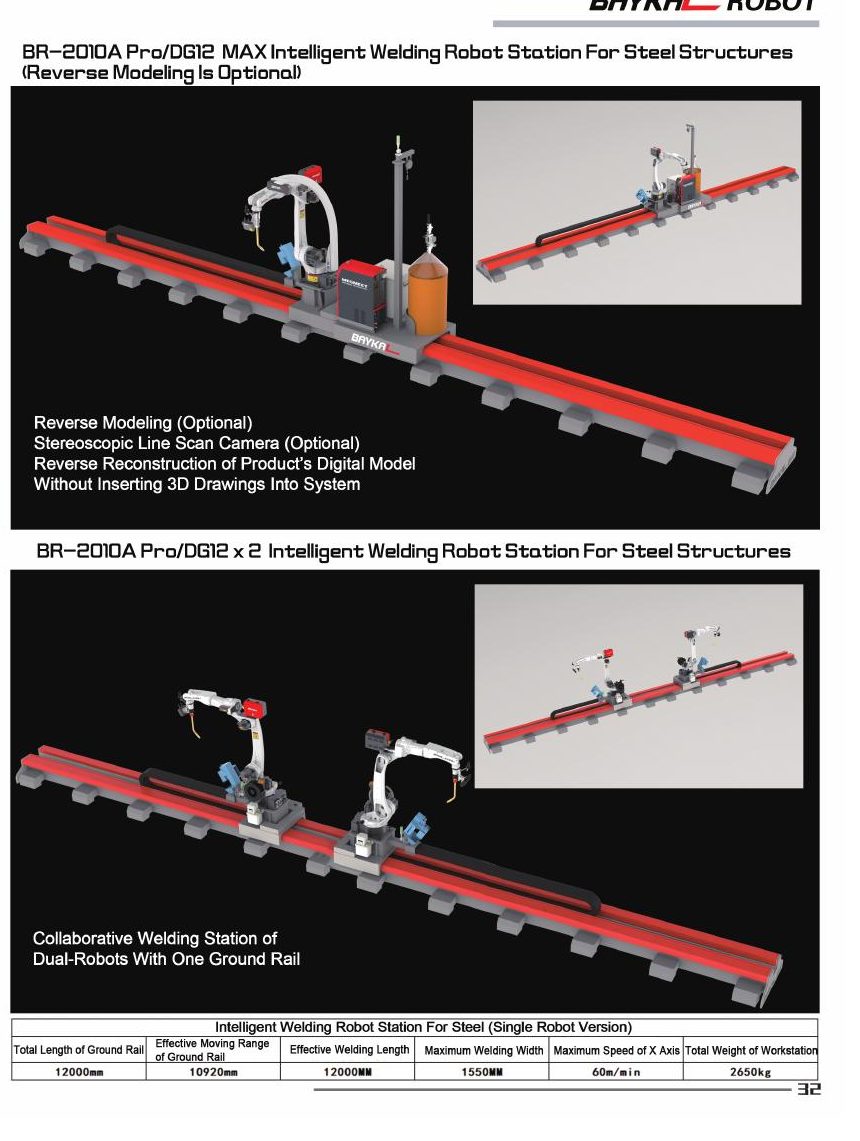
- Effective travel measured on the finished station and recorded — not rail length
- Maximum welding width and height verified at the part heights stated in the offer
- Scan-to-program cycle run on a customer part supplied before shipment
- Seam tracking demonstrated on a deliberately mis-positioned part
- Weld test coupons to the customer WPS, visual and dimensional record
- Continuous run at rated duty with the weld record exported
- Safety circuit, interlocks and light curtain function test against the specification
You witness it on a video call or in person; the report with measured figures, photos and video ships in the technical package. How pre-integration works →
Questions we are asked about this cell
Do we need a programmer?
No. The station scans the part and writes its own program. Where a 3D model exists it can read the model instead. Your welders stay welders; nobody has to become a robot programmer.
What if we have no 3D model?
Then the scanning route is used, and a reverse-modelling option can build the model from the scan. This is the normal case in repair and one-off fabrication.
How long is the rail?
Ask instead how long the effective travel is. A 12 m rail does not give 12 m of welding — the robot carriage and the end limits take part of it. On the one configuration where we have a measured figure, a 12,000 mm rail gives 10,920 mm of effective travel. We state effective travel, maximum welding width and maximum welding height, and we measure them at acceptance.
Can it weld our part?
Send five representative weldments — drawings or models, plate thickness, weld lengths and batch size. The station format follows from the parts, not from the brochure.
Does it replace our welders?
It replaces the long, flat, repetitive seams. Fit-up, tack welding, positional repair and inspection stay with people.
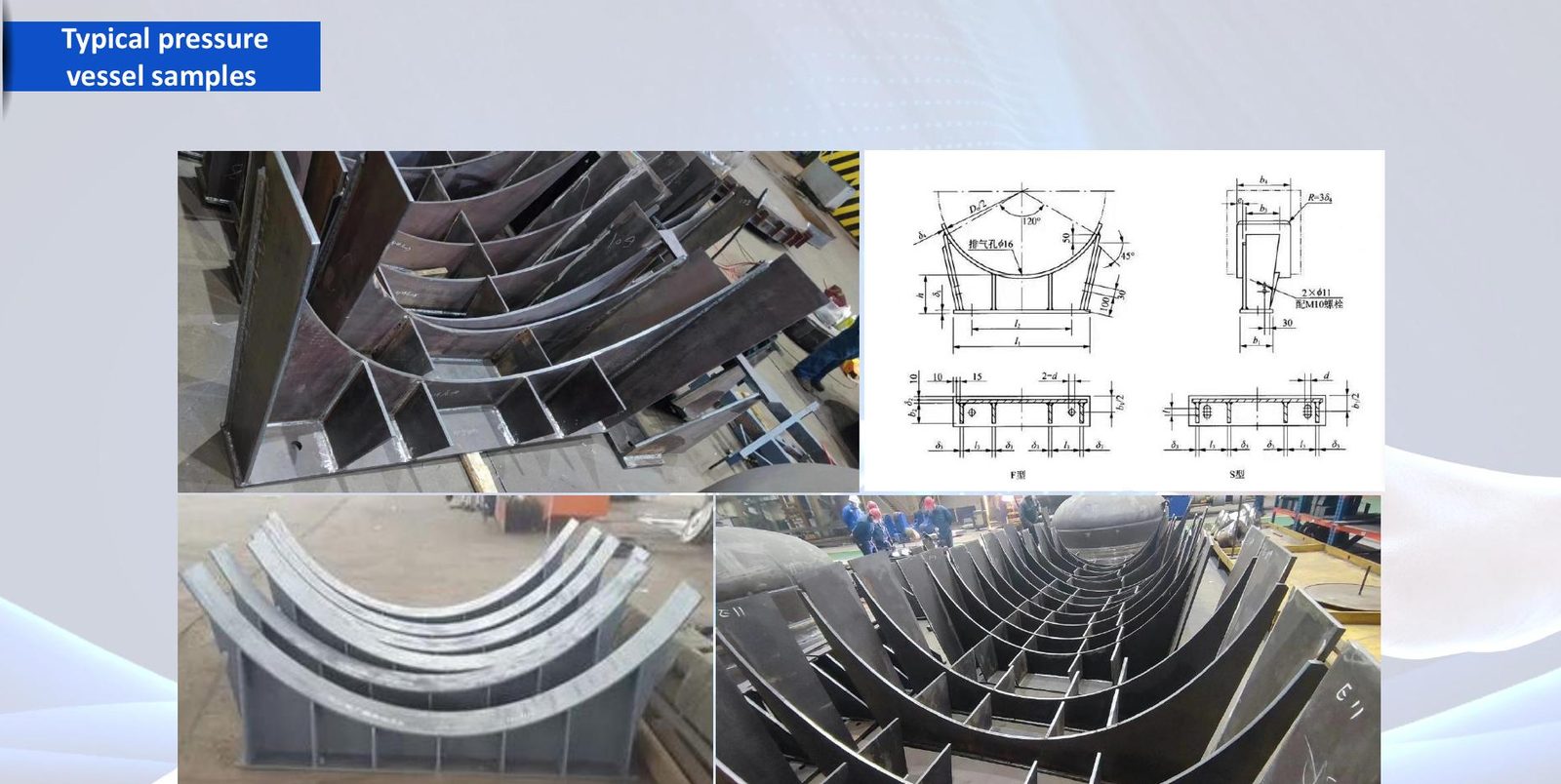
What about pressure vessels and pipelines?
We supply a station for vessel work only where you hold the qualified welding procedure and the code approval. We do not sell a station as a route to a code approval you do not have, and we do not offer pipeline girth welding at all.
Why are there no case studies on this page?
Because we would have to name customers who have not agreed to be named. What we publish instead is the acceptance test: the list of things measured on your station before it ships, and the record you receive with it.
Lead time and certification?
To be verified per project — both are confirmed in writing with the offer.
Specify this cell in one sitting
The survey for this workstation type has 12 sections and about 82 questions — most are tick boxes. Online it saves as you type and gives you a reference number; the Word file is the same survey for e-mail.
Sections: Customer Basic Information · Welding Workpiece Information · Welding Process Parameters · Station Format and Travel Requirement · Positioner - Positioner Type & Application · Positioner - Rotation Axis Technical Parameter Requirement · Positioner - Structural & Installation Parameter Requirement · Positioner - Control & Synchronization Requirement · Site Utility & Installation Conditions · Commercial & Service Requirements · Supplementary Materials & Attachments Required · Other Remarks
Fill in the survey online → Download the Word file (.docx)
Or skip the wait: order the engineered proposal (S1) from USD 900 — credited in full against the equipment, refunded if the cell cannot meet your cycle time.
Send drawings and photos to sales@livespower.com with the reference number. No price is quoted before the part, the specification and the cycle time are known.