
BIW welding lines, tooling and retooling
We supply body-shop equipment to car plants: a complete welding line — underbody, main framing, body-side, closures, cabin and adjustment — the tooling for a new model on a line you already have, or the stand-by-stand retooling of an existing shop. Up to 60 JPH and up to 4 models on one line, with the robots from your brand or ours. The engineering and manufacturing are done by our body-shop partner in Wuhu; the contract, the commercial package, export documents, freight and the people on your site are ours. Three projects delivered to car plants in Russia, and in every one of them the plant kept its own robots and welding equipment.
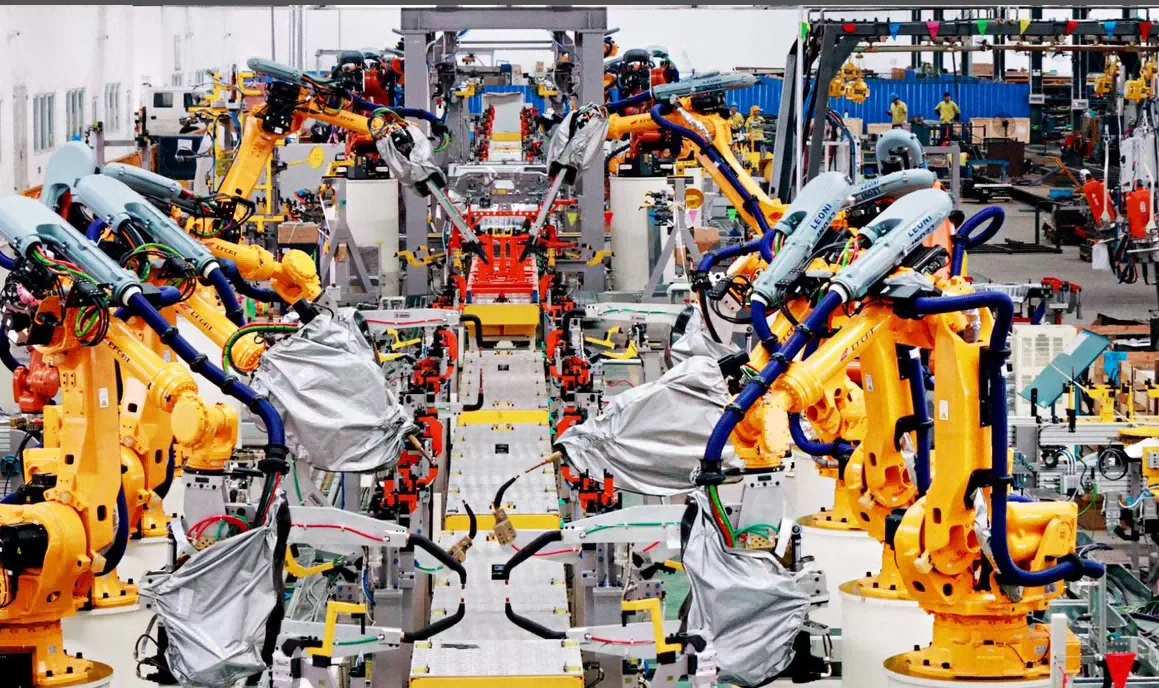
What a body shop is made of
A turnkey scope can be all of these or any one of them. Quoting one line at a time is normal and often the better way to start, because it has to interface with what you already run.
| Line | What it contains | Main processes |
|---|---|---|
| Underbody and floor line | Front floor, rear floor, floor frame with cross-members, underbody framing. | Spot, arc, stud, sealing |
| Main framing line | Main body framing gates, respot stations, roof loading. | Spot, MFDC spot, sealing |
| Body-side line | Body-side inner and outer, wheel house, A/B/C pillars, roof rails. | Spot, arc, hemming |
| Closure line | Front and rear doors, hood, tailgate, window frames, hemming and mastic. | Spot, hemming, sealing, mastic |
| Cabin and engine compartment | Engine compartment sub-assembly, shock-tower, upper beams, front-end module. | Spot, arc, CMT |
| Adjustment and finishing line | Gap and flush adjustment, respot, measuring station, repair bay. | Respot, measuring |
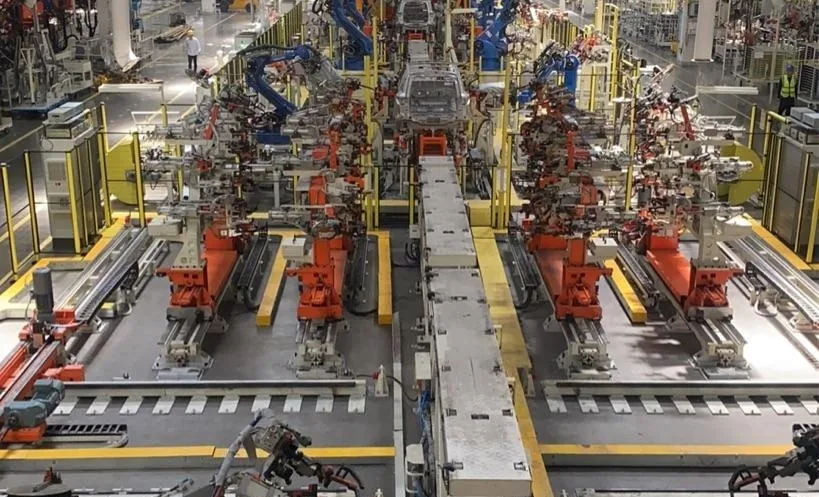
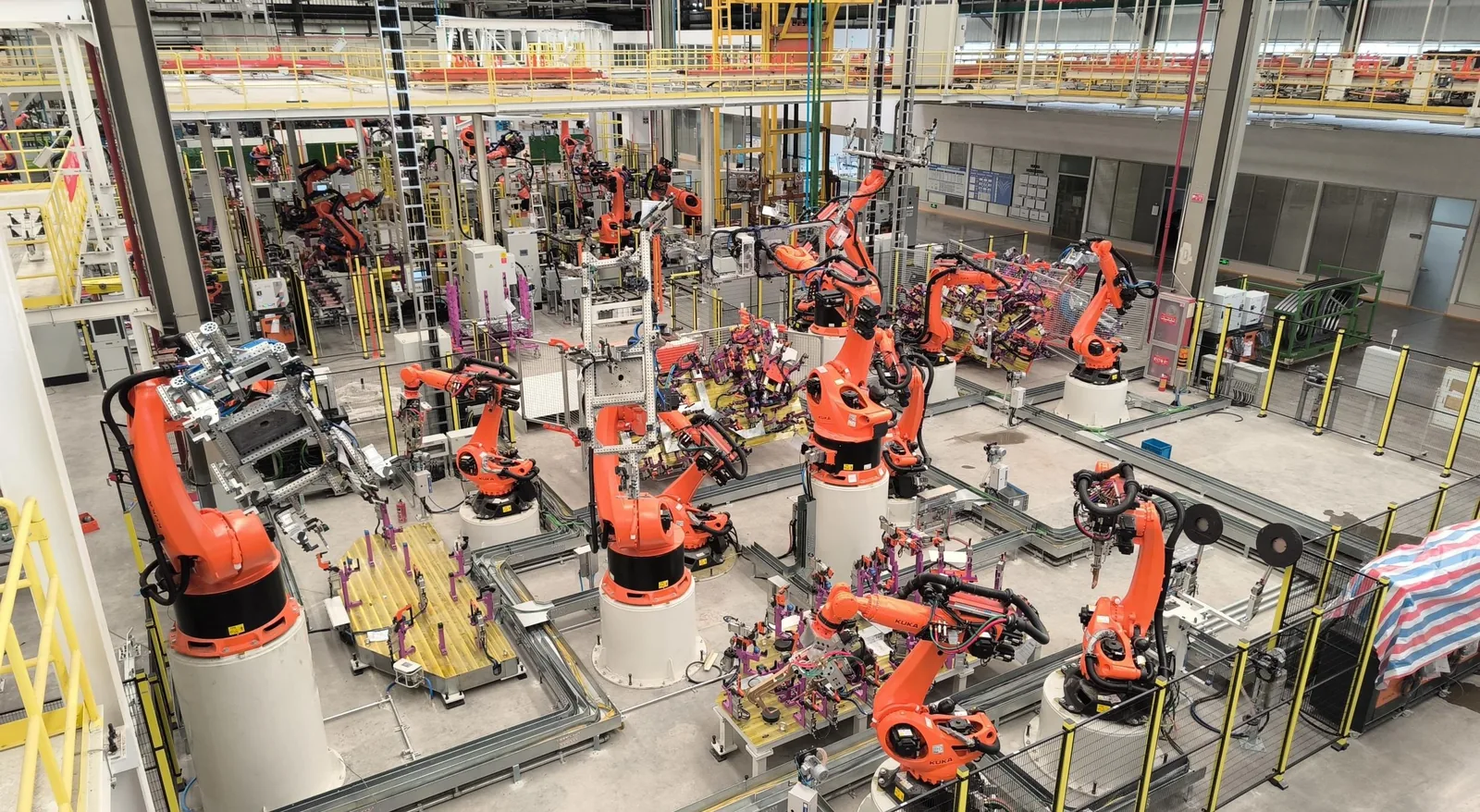
Process capability
| Process | How it is done | Where it sits |
|---|---|---|
| Spot welding | Pneumatic and servo guns, standard and MFDC (medium-frequency direct current) transformers, robot-held and pedestal. | Every line |
| Arc welding | MIG/MAG on frames, brackets and thin-wall sections, with positioners and torch cleaning. | Frames, cross-members, sub-assemblies |
| CMT | Cold Metal Transfer for thin sheet and mixed-material joints where heat input has to stay low. | Aluminium and thin gauge |
| Stud welding | Robot stud units for fasteners on floor pans, body-side and closures. | Floor, body-side |
| Sealing and mastic | Heated pumps and robot applicators for structural adhesive, seam sealer and boot-lid mastic. | Closures, floor, joints |
| Hemming | Roller hemming or table hemming for doors, hood, tailgate and wheel arches. | Closure line |
| Handling and framing | Part loading, station-to-station transfer, roof loading and framing gates. | Main line |
| Measuring | In-line or off-line measuring station; CMM and laser tracker at installation. | Adjustment line |
Three automation levels for the same body
What decides the price
| Driver | Why it matters |
|---|---|
| Rate | Everything follows the JPH. A line at 10 JPH and the same line at 60 JPH are different machines — more stations, more robots, more buffer, and framing gates instead of manual framing. |
| Models on the line | One model is a line. 4 models on one line means switchable tooling, model recognition and a framing gate that changes over, and it is where most of the engineering cost sits. |
| Automation level | A manual-fixture line with hoists and hand guns, a semi-automatic line with robots on the critical stations, and a fully robotic line with automatic framing are three different budgets for the same body. |
| Who supplies the robots | If the plant already has robots and welding sets, the tooling package alone is a fraction of the line price. Every body-shop project we have delivered so far worked this way. |
| Material and joining | Aluminium, mixed materials, adhesive bonding and CMT add process development, fixture cost and validation time to a steel-body baseline. |
| Building | Clear height, column pitch, floor loading and crane capacity decide whether the layout we would prefer is the layout you can have. |
Best price on enquiry. We do not publish prices. A body-shop package is priced against your body data, the line rate, the number of models sharing the line and the scope split — those move the figure far more than any list price could. Send the requirement and you get an itemised offer, on EXW, FOB, CIF or DAP terms.
Who supplies what
This is the first question on every body-shop enquiry and the one that decides the price, so it is settled in writing before we quote. Nothing here is fixed — the “Either” rows move to whichever side makes the project cheaper for you.
| Item | Normally supplied by | Notes |
|---|---|---|
| Welding and assembly fixtures | LIVESPOWER | Every station fixture, shared base plates, hangers and marking. |
| Robots | Either | Keep the brand your plant already runs, or we supply Chinese robots with the line. |
| Welding equipment | Either | Spot guns, transformers, arc sets, stud units, sealing pumps — yours or supplied by us. |
| Positioners and robot bases | Either | Supplied by us unless the plant has them. |
| Steel structure and platforms | LIVESPOWER | Fixture bases, gates, platforms, hoist tracks where they are in scope. |
| Conveying between stations | Either | Roller bed and skid, friction, EMS or manual hangers, depending on the rate. |
| Safety fencing and light curtains | Either | Supplied to the plant’s standard, or by the plant. |
| Line control and PLC | LIVESPOWER | Station control, safety circuit, HMI, ANDON interface. |
| Utilities to the cell | Plant | Power, compressed air, water and extraction to the connection points we mark. |
| Civil works and foundations | Plant | Floor loading, pits and anchor points, to our foundation drawings. |
| Export packing and shipping | LIVESPOWER | Packing list, container loading plan, export documents, freight to the agreed term. |
| Installation and commissioning | Shared | Plant supplies cranes, riggers and electricians; we supply the supervision, robot teaching and tuning. |
Four other ways we are bought
A complete line is the largest scope and it is the one described above. These four are the rest of the section, and most projects in these markets start with one of them.
A new SKD or CKD plant from an empty building: welding, conveying and general assembly in phases, starting with the minimum viable configuration and growing with volume.
Four phases and the minimum configuration → Line Conveying systems and general assemblyRoller bed and skid, friction, EMS, slat and PBS storage; trim, chassis and final lines with marriage stations, sub-assembly lines and water-test.
Conveying types and assembly lines → Changeover Retooling an existing line for a new modelStand by stand: what is reused, what is rebuilt, what is new — with installation and commissioning priced per item so the changeover can be staged shop by shop.
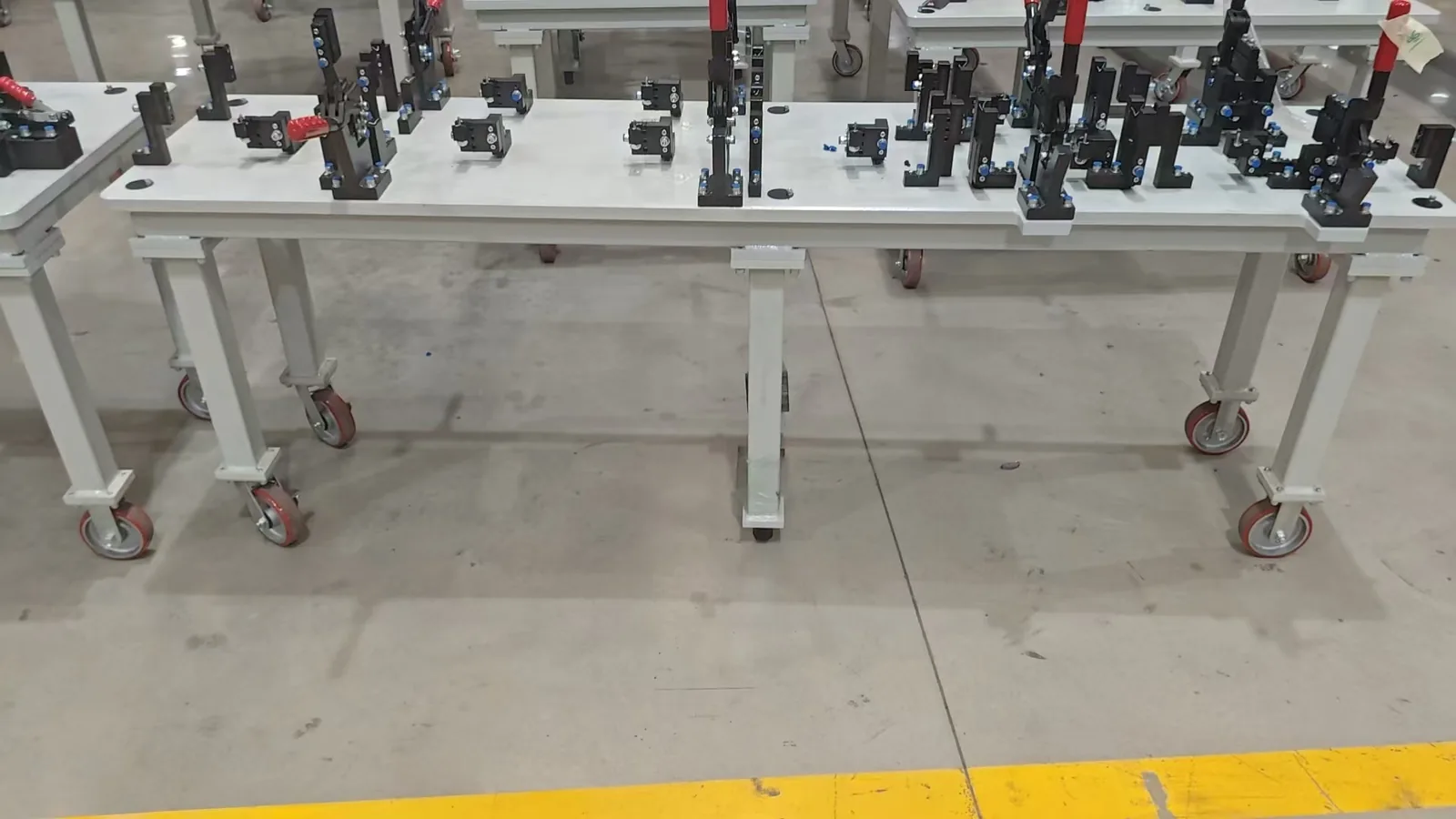
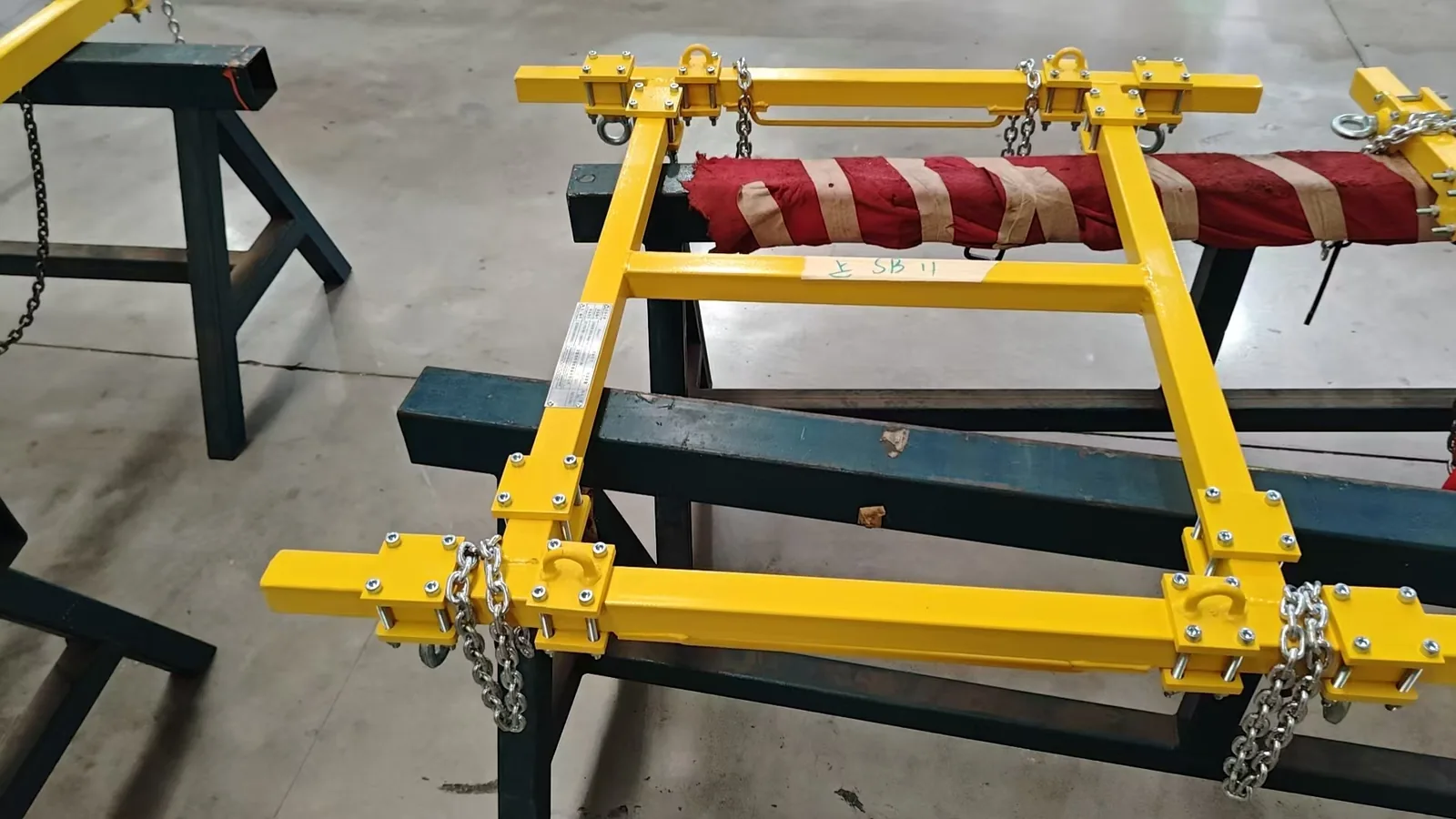
Reuse, rebuild, convert or replace → Tooling only Welding fixtures and tooling packagesYou keep your robots and welding equipment; we supply the fixtures, hangers, base plates and the control interface. The lowest-investment route to a new model, and what all three of our Russian projects were.
What is in a package, and what it needs →What we have delivered
Three projects for car plants in Russia. Quantities are counted from the quotations and contract appendices. Customer names, contract values and locations below country level are not published — that is the same confidentiality your project would get.
Who builds it
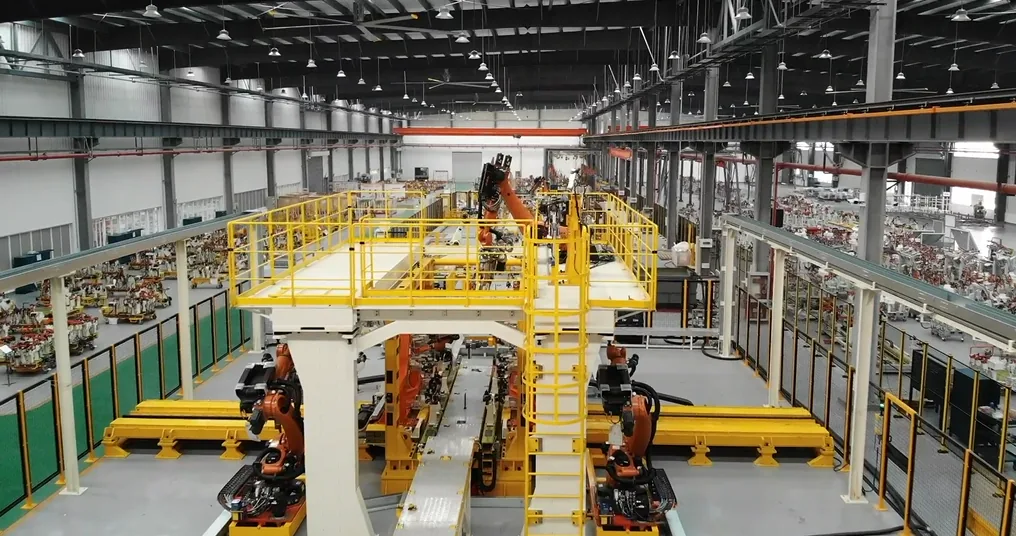
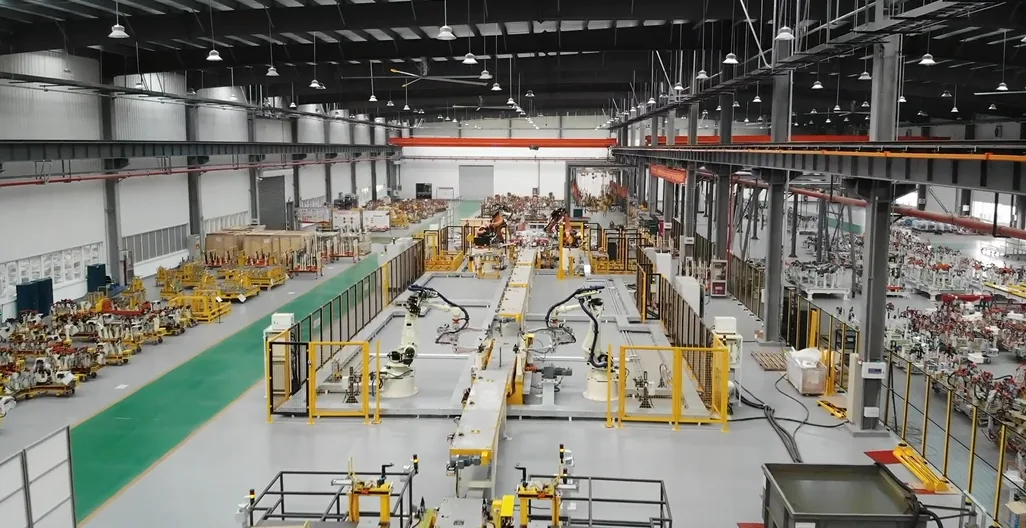
The lines and tooling are built by our manufacturing partner in Wuhu: a joint venture of a robot maker listed on the Shanghai STAR Market (688165.SH) and the municipal state-asset committee, founded in 2022 with a paid-in capital of RMB 50 million and a core team from that robot maker’s former equipment division. We name it, and send its company documents, once a confidentiality agreement is in place.
Track record of the manufacturing partner, from its own company records. Our own three projects in Russia are listed separately below.
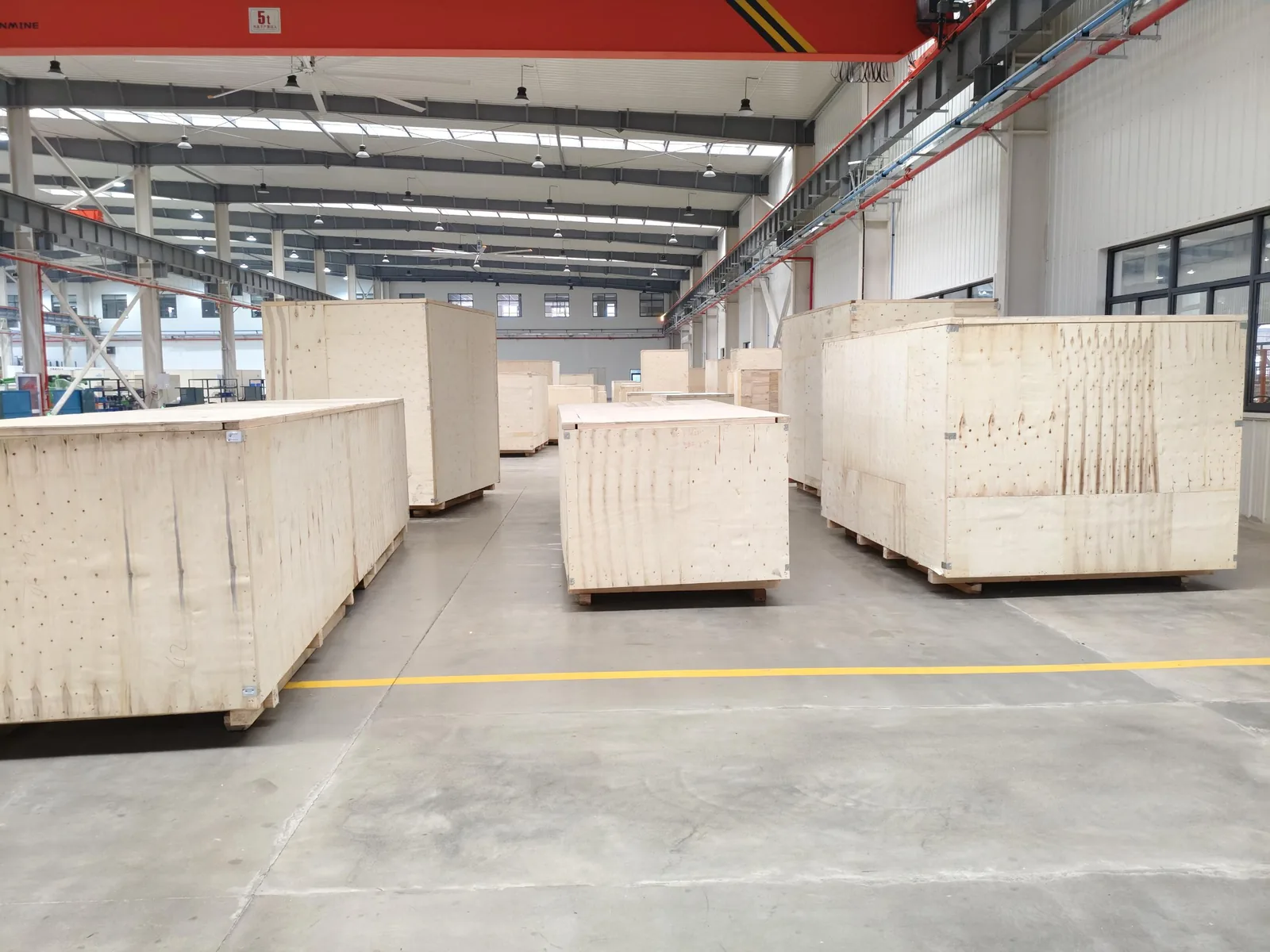
- Workshop — 15,000 m² assembly and commissioning workshop, able to pre-integrate two complete body-shop packages at the same time.
- In-house machining — 3 large CNC gantry machining centres, 2 large-format laser cutters, CNC boring and milling, plasma cutting and press brakes.
- Measurement — coordinate measuring machine, laser tracker and portable measuring arm.
From enquiry to production
| Step | What happens |
|---|---|
| Process planning | Manufacturability review, station split, weld-spot allocation, line balancing and capacity calculation. |
| Layout and simulation | Process Designer and Process Simulate for reachability, collision and cycle time; Plant Simulation for material flow, buffers and JPH verification. |
| Mechanical and electrical design | 3D design of fixtures, grippers and steel structure, CAE verification, PLC and safety-circuit design. |
| Offline programming | Full-line robot programs — main and sub programs, weld and sealing routines, tip dressing and cap change, TCP and base-frame calibration. |
| Manufacturing | Gantry machining, laser cutting, welding and stress-relief annealing of fixture structures in the builder’s own plant. |
| Pre-integration | The line is assembled, wired, taught and cycle-verified in the 15,000 m² workshop before anything is packed. |
| Inspection | Full-dimension CMM inspection of key fixtures; laser tracker for installation datums and positioning accuracy. |
| Installation and commissioning | Our engineers on site for installation, robot teaching, cycle tuning and hand-over, for as long as the project needs. |
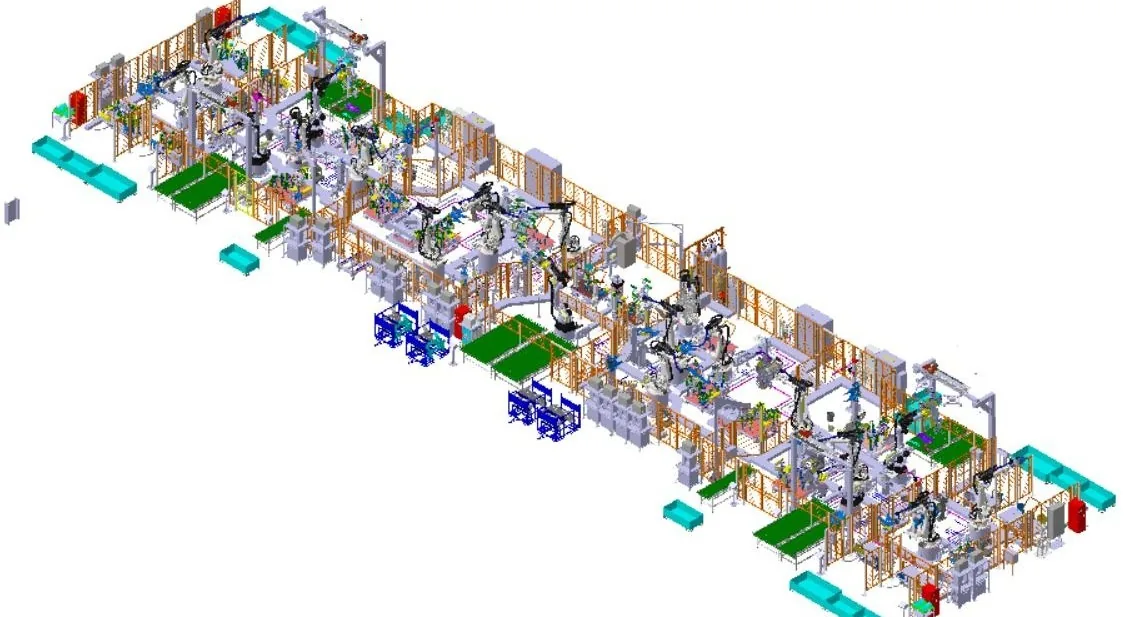
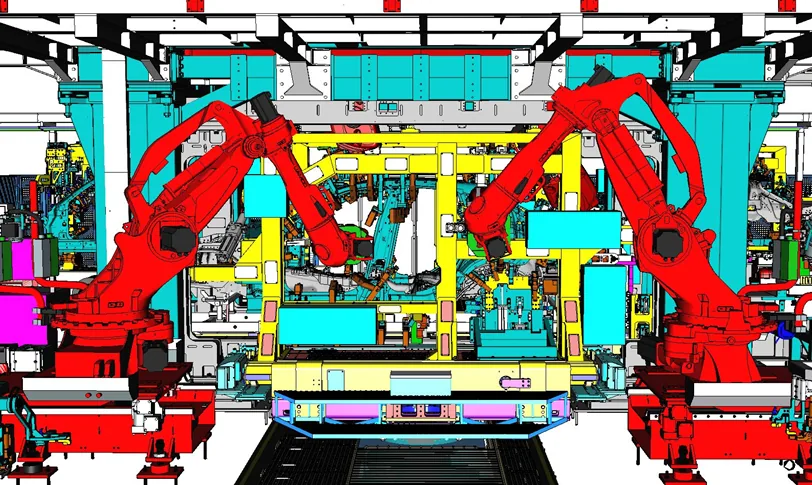
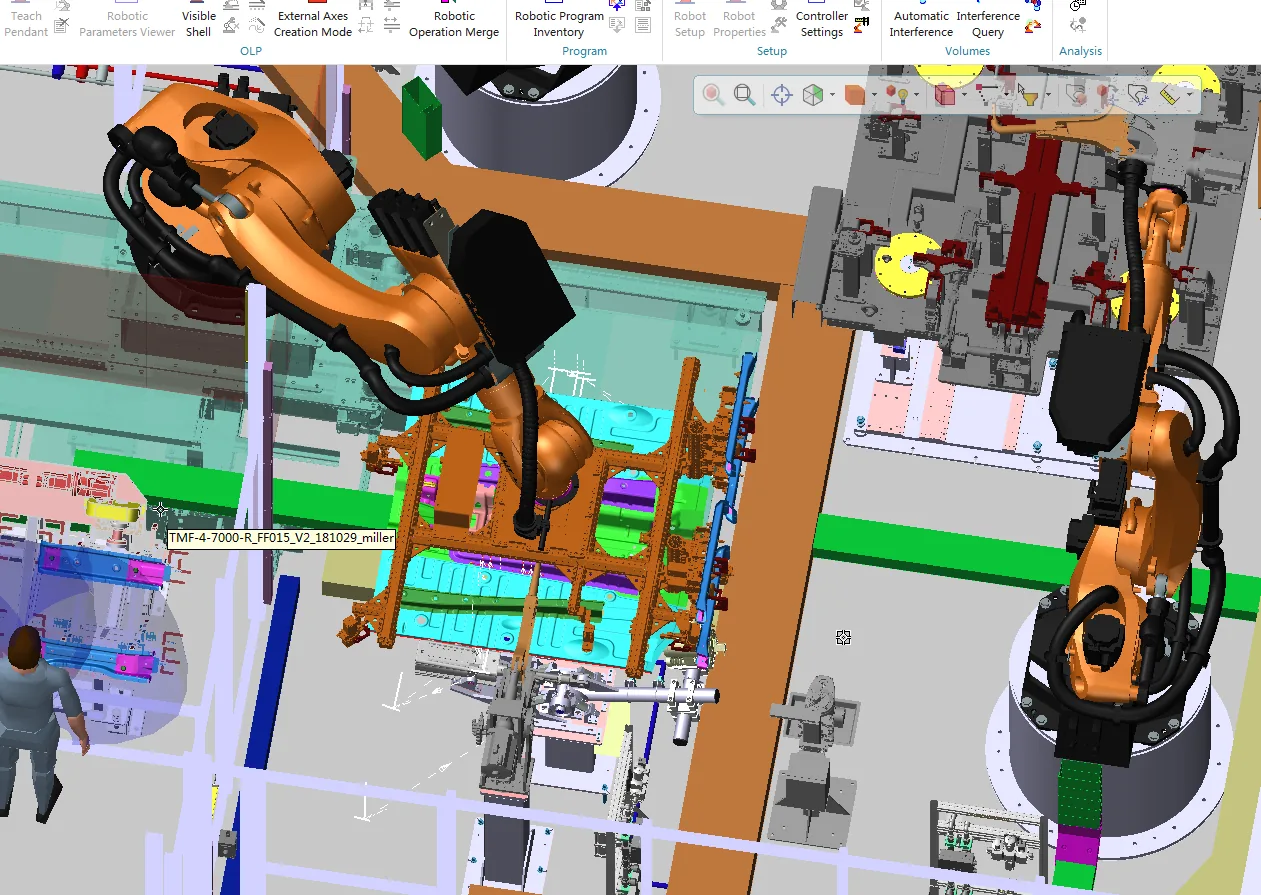
Nothing ships before you have seen it run. On our second project for the same Russian plant, a payment milestone was tied to the first round of equipment inspection in China — the plant signed the inspection off, and only then did the containers load.
What we ask for before quoting
- Body 3D data — STEP or CATIA — and the weld-spot or weld-seam information if you have it.
- Rate in JPH, shift pattern, annual volume, and any phase-two capacity you want the line to reach later.
- How many models share the line, and whether they run mixed or in batches.
- Which robots, welding sets, positioners and fencing you already have, and their brand and age.
- Building drawing: available area, column pitch, clear height, crane capacity, supply voltage and frequency, compressed air.
- The month you need it in production, the Incoterm, and the port or plant address.
Frequently asked questions
Do we have to buy robots from you?
No. All three body-shop projects we have delivered were tooling packages where the plant kept its own robots and welding equipment and we supplied the fixtures, hangers and control interface. If you would rather buy the robots with the line, we supply Chinese robots and quote them as a separate line so you can see exactly what they cost. Offline programming, tip dressing, cap change and the safety interface are in scope either way.
What is the largest line you take?
Up to 60 JPH and up to 4 models sharing one line. Above that the honest answer is that a different class of builder should quote it, and we will say so rather than take the order.
Can you quote a single line inside an existing body shop?
Yes — a body-side line, a closure line or a floor line on its own is a normal scope, and it is often the right first project because it interfaces with what you already run rather than replacing it.
How long does a turnkey line take?
Comparable lines in the builder’s own records ran four to six months from contract to on-site installation, with renovation projects as short as two months. Your schedule depends on when the body data is frozen, not on when the order is signed — late design changes move the date more than anything else.
How long does a quotation take?
A concept and a quotation come back within one week of complete data. What counts as complete is on the requirement survey: product data, rate, scope split, building conditions and the delivery date you need.
Do you do the simulation, or do we?
We do. Process Designer and Process Simulate for reachability, collision and cycle time, and Plant Simulation for material flow and JPH verification. You get the simulation results with the concept, before the quotation is accepted.
Who actually builds the line?
The lines and tooling are built by our manufacturing partner in Wuhu: a joint venture of a robot maker listed on the Shanghai STAR Market (688165.SH) and the municipal state-asset committee, founded in 2022 with a paid-in capital of RMB 50 million and a core team from that robot maker’s former equipment division. We name it, and send its company documents, once a confidentiality agreement is in place.
Can we inspect before it ships, and what does the test cover?
Yes, and we prefer it: mechanical assembly, wiring, robot teaching and a cycle-time run on real or sample parts in the builder’s workshop, with your team present. Key fixtures are CMM-inspected to the drawing and the report goes with the line. A payment milestone is normally tied to your sign-off — on our second project for the same plant, the inspection round in China was written into the payment schedule.
What about installation on our site?
Our engineers come and stay as long as the project needs — installation supervision, robot teaching, cycle tuning and hand-over. Visas and overseas labour arrangements for Russia and Central Asia are part of what we organise.
What happens after the line is running?
Spare-parts lists — mechanical and electrical — go with the project, and design changes during execution are quoted as they arise rather than argued about afterwards. We have handled both on delivered projects, including an in-plant relocation of a line after hand-over.
Everything on this page as a PDF. The six-page body-shop capability document — scope split, line composition, engineering chain, who builds it, the three delivered projects and how a project is contracted — is open without a form: livespower-body-shop-capability.pdf ↗
And the proposal itself, before you ask for one. An anonymised eight-page sample of the technical proposal we issue for a tooling package — requirement as understood, scope split, station list, station design and control, quality plan, schedule, deliverables and commercial framework: livespower-body-shop-sample-proposal.pdf ↗